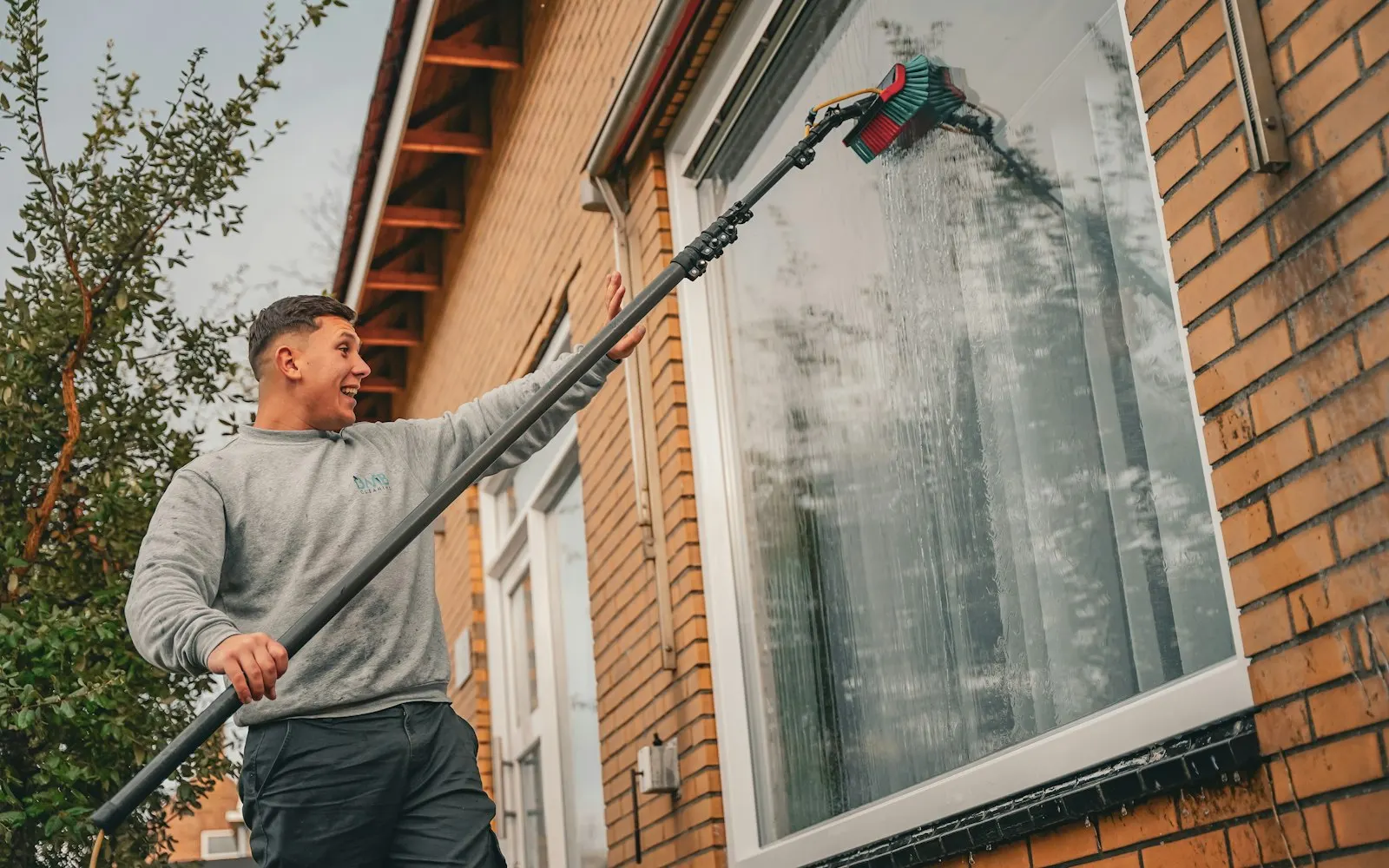
Concrete driveways, paved patios and brick paths slowly turn grey, green and black. Tyre marks, oil drips, moss in the shady corners, mould on the south side of the house, and a film of dirt that makes paths slippery in winter all build up gradually, so you do not notice until a section is cleaned and the difference is startling. Pressure washing brings hard outdoor surfaces back to something close to their original colour, removes slippery growth, and makes a home look cared for. We pressure wash driveways, paths, patios, pool surrounds, decks, fences, walls and outdoor furniture across Dandenong and the surrounding suburbs.
Pressure washing is a popular job before selling a home, before a family event or Christmas gathering, at the end of a lease, or simply as part of a once-a-year outdoor clean-up.
What we pressure wash
- Concrete driveways and paths, including exposed aggregate and coloured concrete
- Paved patios, pool surrounds and outdoor entertaining areas
- Brick paths, steps and low brick walls
- Timber decks (using low pressure and the right technique)
- Composite decking, following the manufacturer’s care guidance
- Timber and Colorbond fences
- Rendered and painted walls, gently, where suitable
- Outdoor furniture, bins and bin areas
- Garage floors and carports
- Shopfronts, entrances and commercial paths
What pressure washing removes
- Ground-in dirt and grime
- Moss, algae and lichen
- Black mould and mildew in shady areas
- Cobwebs and spider nests on walls and eaves
- Leaf and tannin stains from trees
- Chewing gum and general foot traffic marks on commercial paths
- Some tyre marks and rust stains, sometimes with a treatment
What it may not fully remove
Old oil stains soaked deep into concrete, rust stains, efflorescence (white salty deposits on brick and pavers) and paint spills may need specialist cleaners in addition to pressure washing, and some deep stains will fade rather than disappear entirely. We will tell you what to realistically expect before starting.
The right pressure for each surface
The biggest mistake in pressure washing is using too much pressure on the wrong surface. High pressure and a narrow nozzle can etch concrete, strip sand out of paver joints, gouge timber, lift paint, blast mortar from brick walls and force water behind cladding. We match the pressure, nozzle and technique to the surface.
Concrete
Plain broom-finished concrete handles higher pressure well. We use a rotary surface cleaner on large flat areas, which gives an even finish without the stripy lines left by a wand, then detail the edges.
Exposed aggregate
Exposed aggregate driveways, common in newer homes in Keysborough, Lysterfield and Dandenong South, need care. Too much pressure loosens the stones from the surface. Many exposed aggregate driveways were sealed, and after cleaning, resealing restores the colour and protects the surface.
Pavers
Pavers clean up well, but high pressure strips the jointing sand. After washing we can re-sand joints with paving sand or polymeric sand to lock pavers in place and discourage weeds and ants.
Timber decks
Timber is soft and easily damaged. We clean decks with a low-pressure setting, a wide fan nozzle and a timber-safe cleaner, working along the grain. Fibres can lift slightly after washing, and a light sand before oiling gives a smooth finish. See our deck and pergola repairs page for oiling.
Walls and render
Painted walls and render are washed gently, often with a soft wash method: a low-pressure rinse after a cleaning solution has done the work, rather than blasting. This avoids lifting paint or damaging render.
Safety and slip prevention
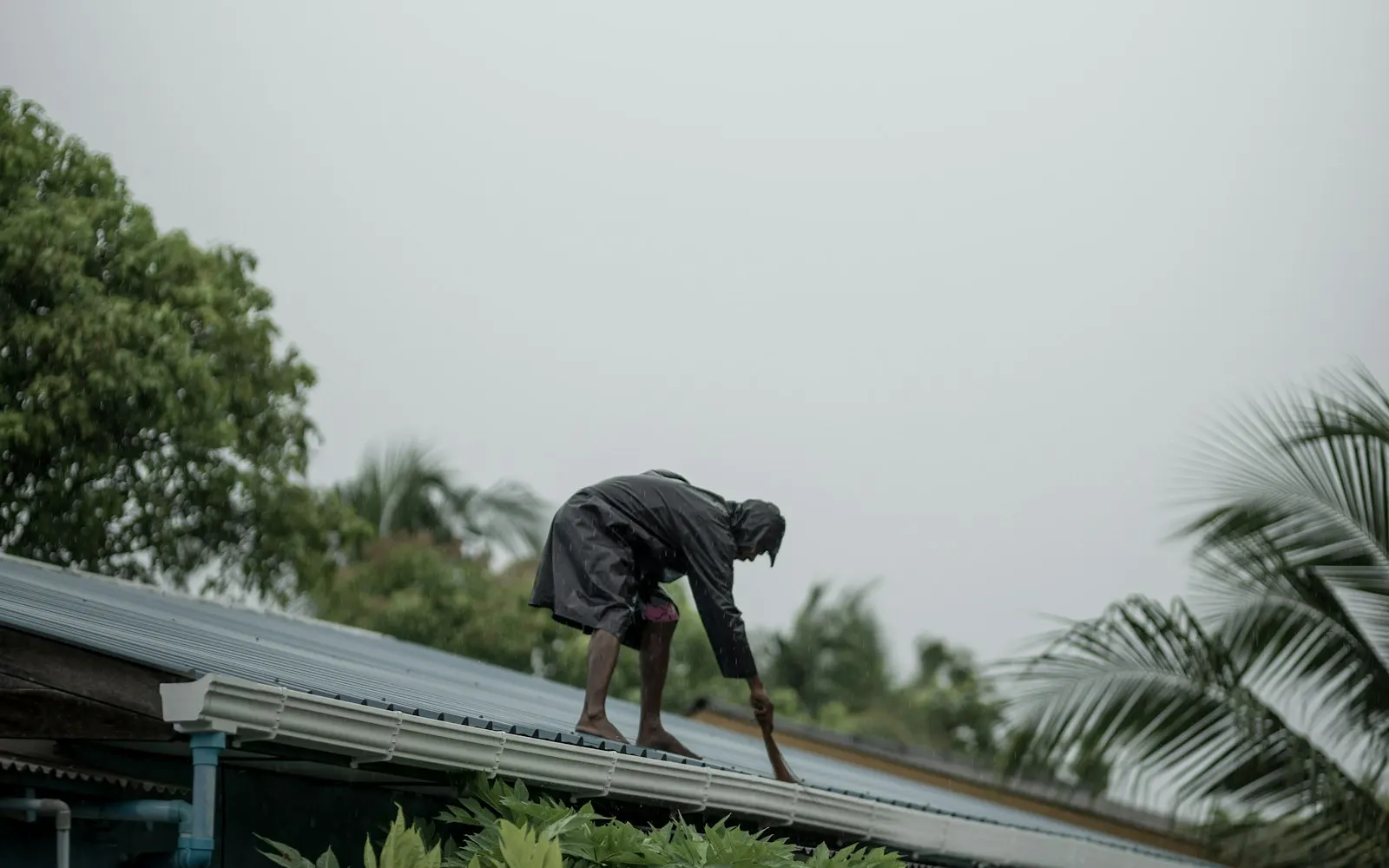
Moss, algae and mould make paths and steps dangerously slippery in Melbourne’s cool, damp months. The shaded south and east sides of houses, paths under trees and pool surrounds are the worst areas. For older residents, slips on wet, slimy paths are a real fall risk. A thorough clean, plus a treatment to slow regrowth, makes outdoor areas much safer through winter. We combine this with handrail installation from our aged care and disability rails service where extra support is needed on steps.
Water use and runoff
We use water responsibly. Pressure washers use less water than a garden hose for the same cleaning, because the water is delivered at high pressure. We are careful about where wash water goes: Melbourne stormwater drains flow untreated to creeks and Port Phillip Bay, so we avoid washing chemicals, oil and paint into drains. We use biodegradable cleaners where cleaners are needed, and do not pressure wash surfaces contaminated with substances that should not enter stormwater.
Things we do not pressure wash
Asbestos cement
Older homes in the area may have asbestos cement sheet fences, eaves or cladding. High-pressure water on asbestos cement can release fibres and is prohibited under Victorian guidance. We do not pressure wash any surface we suspect may contain asbestos.
Roofs
Roof cleaning requires working on the roof surface, which carries significant fall risk and can crack tiles. We leave roof cleaning to roofing specialists with the right safety systems.
Delicate surfaces
Old soft bricks, crumbling mortar, timber window frames, flyscreens and air conditioning units are not suitable for pressure washing.
Pressure washing before sale or lease
A clean driveway and front path are among the first things buyers and tenants see, both in person and in listing photos. Pressure washing the front of the home, together with painting touch-ups on the front door and a tidy garden, makes a strong first impression for relatively little cost. For renters, cleaning outdoor areas can be part of returning the property in the same condition, and our end-of-lease repairs service covers both.
How often to pressure wash
Most homes benefit from pressure washing driveways and paths once a year. Shaded areas, pool surrounds and paths under trees may need more frequent cleaning, or a moss and mould treatment applied between washes to slow regrowth. Commercial entrances with heavy foot traffic may need cleaning every few months.
What to expect
Before we start, we check the surfaces, discuss what results to expect, and move pot plants, furniture and cars out of the way. Nearby windows, doors and garden beds are protected from spray where needed. We work systematically so the finish is even, then rinse down walls and garden edges to clear splash-back. If pavers need re-sanding or a surface needs sealing, we will recommend it. Please make sure there is an outdoor tap with good water flow.
Surface by surface: what results to expect
Broom-finished concrete driveways
The most common driveway on older homes across Dandenong, Doveton and Noble Park. Years of grime come off dramatically, often revealing a much lighter grey than the owner remembers. Tyre tracks lighten considerably. Hairline cracks are not caused by washing, but they become more visible once the surface is clean, and it is worth knowing that in advance.
Coloured and stencilled concrete
Coloured, stamped and stencilled concrete was popular in the 1990s and 2000s. These surfaces were usually sealed, and the sealer wears away in traffic areas. Washing removes dirt, but faded areas will still look faded until the surface is resealed. Too much pressure can lift a failing sealer in patches, so we test a small area first.
Clay and concrete pavers
Pavers clean up very well and often look almost new. Weeds and moss in the joints are removed, which means joints need re-sanding afterwards. Concrete pavers can develop efflorescence, a white powdery bloom, which may need a specific cleaner.
Brick walls and steps
Brick cleans up nicely with moderate pressure, but older soft bricks and crumbly mortar must be washed gently. We check the mortar before starting.
Timber fences
Grey weathered palings brighten significantly with a gentle wash and a timber cleaner, which is the ideal preparation before staining.
Colorbond fences and walls
A gentle wash removes dust, cobwebs and spider marks. Colorbond should never be scrubbed with abrasive cleaners or blasted at close range, which can damage the coating.
Treating moss and mould regrowth
Pressure washing removes visible moss, algae and mould, but spores remain in the pores of concrete and pavers, and growth returns in shaded, damp areas. Applying a moss and mould treatment after washing slows regrowth considerably. Some treatments keep working for months, gradually killing new growth as it appears. Improving drainage, trimming overhanging branches and letting more sun reach the area all help too.
Sealing after cleaning
Once a surface is clean and dry, sealing protects it from stains, moisture and UV fading, and makes future cleaning easier. Exposed aggregate, coloured concrete and pavers benefit most. Sealers range from penetrating sealers, which are invisible and keep a natural look, to film-forming sealers that give a wet look or a sheen. Sealing large driveways is often done by a specialist, and we can recommend one, but we seal small paths and patios ourselves.
Commercial pressure washing
Shopfronts on Lonsdale Street and Thomas Street in Dandenong, the busy strip along Springvale Road, and warehouses and factory entrances in Dandenong South all collect grime, gum and stains quickly. Clean entrances look professional and reduce slip risks for customers and staff. We work early in the morning or after hours so that customers and deliveries are not disrupted, and we use signage and barriers to keep wet areas safe while we work. Car parks and very large areas are best handled by specialist commercial cleaners with truck-mounted equipment, and we will say so if your site is beyond our scope.
After any wash, we walk the area with you, or send photos, so you can see the before and after for yourself.
Areas we cover
We pressure wash across our service areas, including Keysborough, Springvale South, Noble Park North and Dandenong South.
Related services
Pressure washing pairs with gutter cleaning, deck and pergola repairs, fence repairs and gates and odd jobs and rubbish removal.
Frequently asked questions
Will pressure washing damage my driveway?
Not when done correctly. We match the pressure and nozzle to the surface and use a rotary surface cleaner on concrete for an even finish. Exposed aggregate and pavers need extra care, which we take.
Can you remove oil stains?
Fresh and light oil stains usually lift with a degreaser and pressure washing. Old, deep stains often fade significantly but may not disappear completely.
Can you pressure wash my deck?
Yes, using low pressure, a wide fan nozzle and a timber-safe cleaner. Decks are often oiled after cleaning.
Do pavers need re-sanding after washing?
Often, yes, because washing removes some jointing sand. Re-sanding locks pavers in place and discourages weeds and ants.
Do you clean roofs?
No. Roof cleaning needs roofing safety systems and specialist care. We focus on ground-level surfaces, walls, decks and fences.
Do I need to be home?
Not necessarily, as long as we have access to the areas and an outdoor tap. We send photos when finished.
Get a free quote
Send us your list of jobs, your suburb and a few photos. We will reply with a clear written scope and a free, no-obligation quote.
Get a free quote