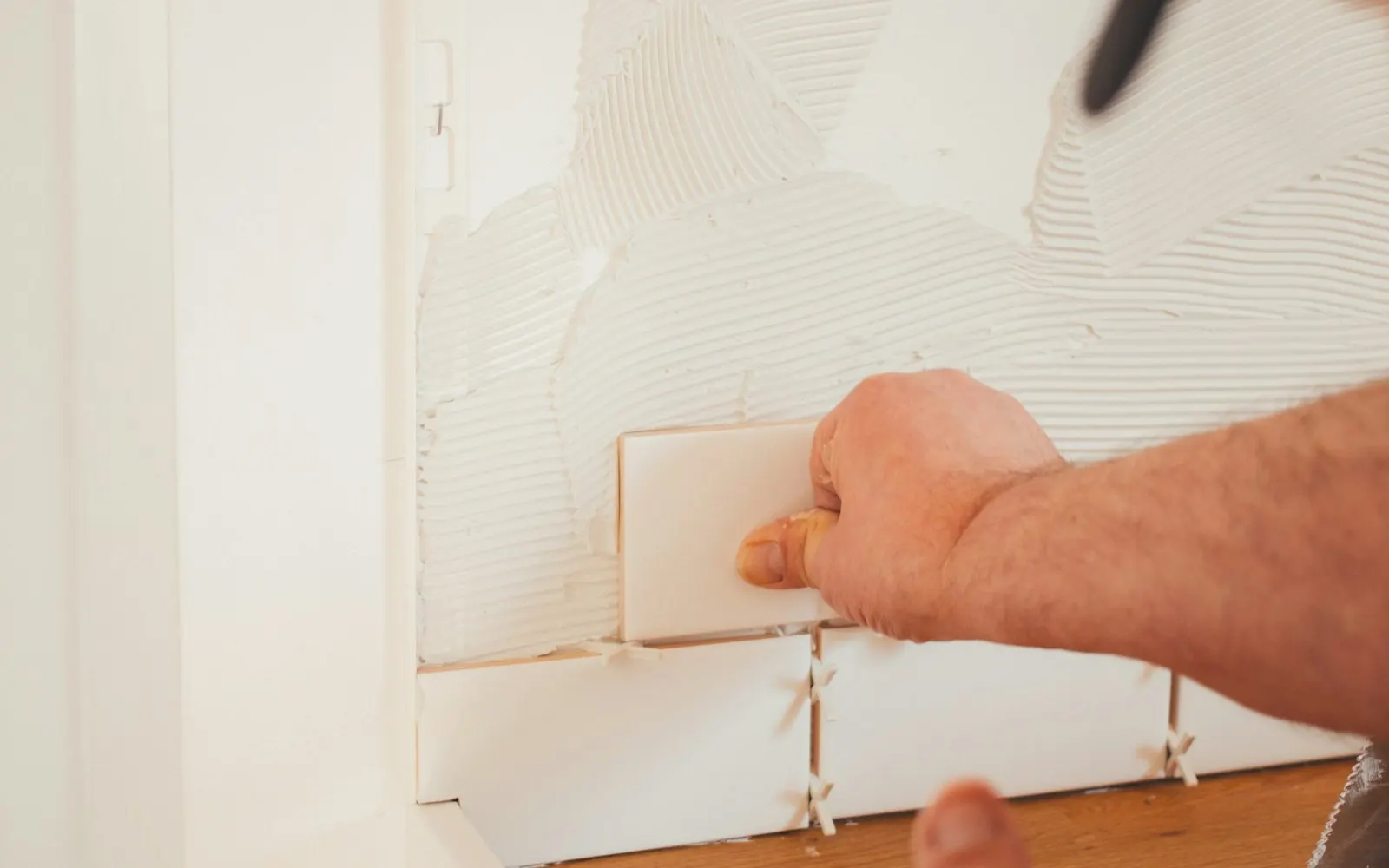
A good plaster patch is one you cannot find. The hole from a door handle, the gap left after removing a wall-mounted TV, the crack that opens above the hallway arch every summer, the bubbled patch where a leak from the bathroom above has soaked the ceiling: all of these can be repaired so the wall looks as though nothing ever happened. The skill is in the preparation, the layering and the sanding, and that is where most DIY patches fall down. Our plaster and wall patching service covers repairs of every size in homes, rentals and commercial spaces across Dandenong and the surrounding suburbs.
Plaster repairs were one of the six long-tail searches our research found local residents using most, and for good reason. Greater Dandenong’s housing includes a lot of older homes with decades of wear, a high number of rentals that need patching between tenants, and reactive clay soils that crack cornices and wall joints as the ground moves through the seasons.
Types of walls we repair
Plasterboard
Most homes built from the 1960s onward have plasterboard walls and ceilings: gypsum sheets screwed or glued to timber or steel frames, with taped and set joints. Plasterboard is easy to repair well if you use the right technique, and it is the majority of what we fix.
Older solid plaster
Some early post-war homes in Dandenong and Doveton have solid plaster over lath or over brick. Solid plaster is harder and behaves differently from plasterboard. Cracks tend to run longer, and when pieces come loose there may be hollow areas behind. We key and fill these repairs with compounds suited to older plaster so the patch bonds properly and does not shrink away from the original.
Cornices and decorative mouldings
Cove cornice is the most common type in local homes, and cracks between cornice and ceiling are one of the most frequent complaints we see. We also repair damaged sections of decorative cornice and ceiling roses in older homes, matching the profile as closely as possible from available stock.
Wet-area walls
Bathroom and laundry walls are often villaboard or a water-resistant plasterboard. Repairs in these areas need materials suited to damp conditions, and if the damage was caused by a leak, the source must be fixed before patching or the problem returns.
Repairs we carry out
- Small holes from picture hooks, wall plugs, screws and nails
- Medium holes from door handles, furniture knocks and removed fittings
- Large holes requiring a new piece of plasterboard to be cut in and fixed to backing
- Cracks at cornices, wall-to-ceiling joints and above door and window frames
- Cracked or popped plasterboard joints and nail or screw pops
- Water-damaged ceilings and walls once the leak has been fixed by a plumber
- Dents, gouges and corner damage on external corners and architraves
- Holes left after removing TV brackets, shelving, air conditioners or old phone points
- Patching around new or relocated light switches and power points, after the electrician has done their work
- Repairs to damaged sections of render inside garages and laundries
How we make a patch disappear
Small holes
Small holes are filled with a lightweight filler slightly proud of the surface, allowed to dry, then sanded flush with a fine sanding block. A second thin skim fills any shrinkage. The area is spot-primed so the paint does not flash (show a dull or shiny patch), then painted.
Medium holes
Holes up to the size of a fist are backed with a self-adhesive mesh patch or a piece of plasterboard on a timber batten behind, then filled in two or three coats. The first coat is a setting compound that hardens chemically rather than drying, which means it does not shrink. Later coats use a finer topping compound that sands smooth. Each coat is feathered out wider than the last so there is no visible edge.
Large holes and damaged sections
For large damage we cut the wall back to a neat square or rectangle, fix timber backing or noggings, screw in a new piece of plasterboard cut to fit, then tape and set the joints the same way a plasterer finishes a new wall. Done properly, the repair is flat and invisible once painted.
Cracks
Hairline cracks are raked out to give the filler something to grip, then filled. Cracks that keep returning, typically at cornice joints and above door frames where the house moves seasonally, are better treated with a flexible filler or by taping the joint, so the repair can tolerate a small amount of movement. We are honest about recurring cracks: in a home on reactive clay some seasonal cracking is normal and the goal is to minimise it, not pretend it will never return.
The finishing matters
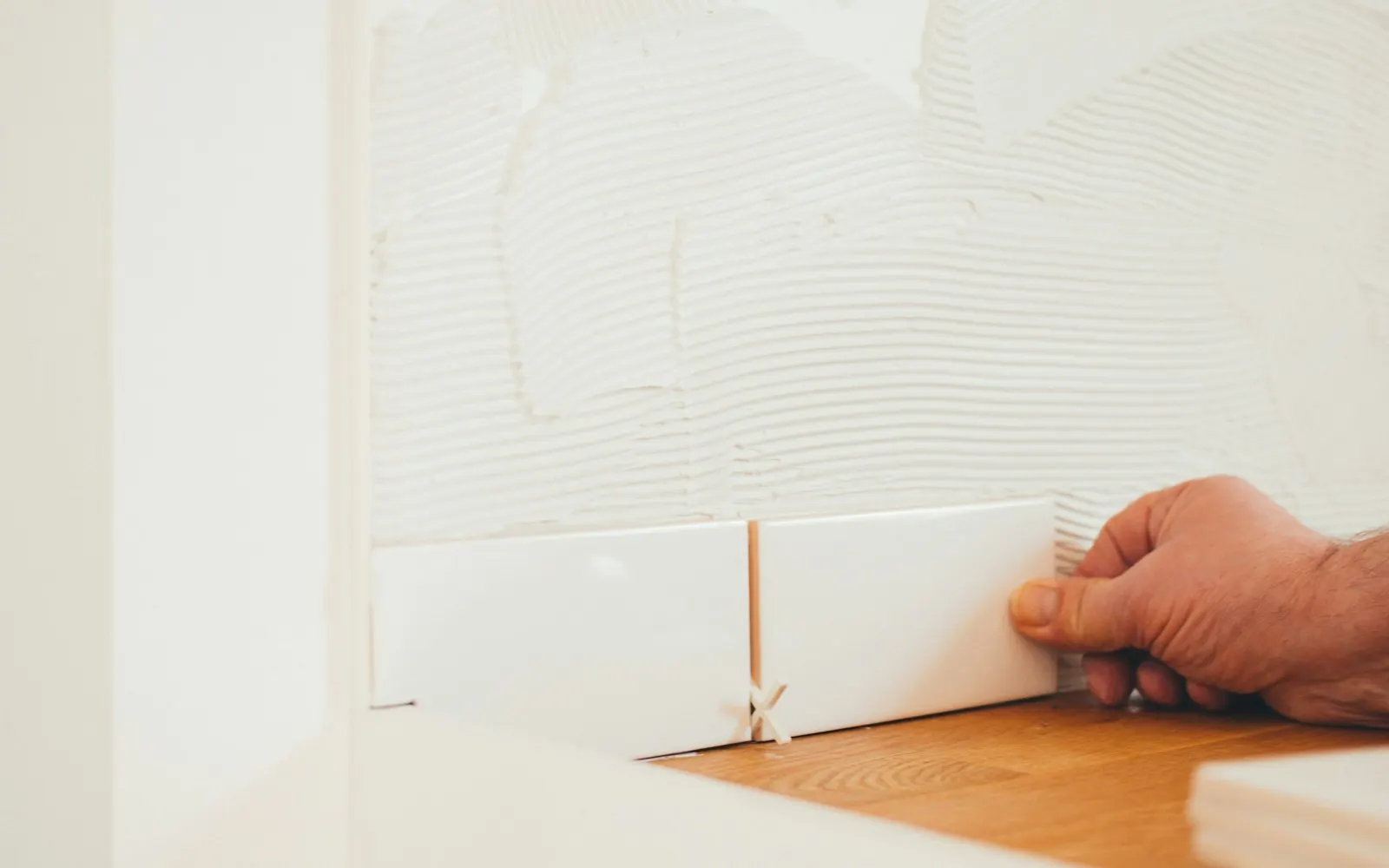
Patching is only half the job. A perfectly flat patch that is painted in the wrong sheen, or with a roller that leaves a different texture, still stands out. We prime every patch, match the existing paint sheen where you have the paint or the colour details, and roll with a nap that suits the existing finish. If the wall has been painted many times, or the paint has aged and faded, a touch-up may not blend perfectly, and in that case we recommend repainting the whole wall from corner to corner so there is no visible difference. See our painting touch-ups page for more on that.
Water-damaged ceilings
Brown rings, sagging and bubbling paint on a ceiling are almost always caused by water from above: a leaking shower or toilet, a roof leak, a failed gutter or a burst pipe. Before any plaster work, the leak must be repaired by the appropriate licensed trade and the area allowed to dry fully. Patching over a wet ceiling traps moisture, encourages mould and fails quickly. Once the area is dry, we cut out any soft or sagging sections, replace with new plasterboard, seal stains with a stain-blocking primer so they do not bleed through new paint, and repaint. Badly sagging ceilings can be a safety risk, and if a section is bowing noticeably we recommend keeping people out of the room until it is assessed.
Asbestos in older homes
Homes built before 1990 may contain asbestos cement sheeting, particularly in eaves, bathroom and laundry walls, external cladding and some ceilings. Asbestos sheeting looks similar to fibre cement or plasterboard. We will not cut, drill or sand any sheet we suspect may contain asbestos. If we see suspect material, we stop and recommend testing by an accredited laboratory. Testing is quick and inexpensive, and it protects everyone in the home.
Plaster repairs for renters and landlords
Picture-hook holes, Blu Tack marks, furniture knocks and door-handle holes are the most common reasons for bond deductions in Victoria. Repairing them properly before the final inspection is often far cheaper than having them deducted. Property managers also use us to patch and touch up between tenancies. We can provide before and after photos for the condition report. Our end-of-lease repairs page explains our turnaround service.
How long does a plaster repair take
Small repairs are usually filled, sanded and painted in a single visit, as lightweight fillers dry quickly. Larger repairs need multiple coats, with drying time between each. We plan these into a longer visit, starting the patch first thing and returning to sand and coat between other jobs on your list, or we schedule a short return visit for the final sand and paint. Allow a day for a large section of new plasterboard to be fully finished and painted, and longer in cold, damp weather when compounds take more time to cure.
DIY plaster repairs: what goes wrong
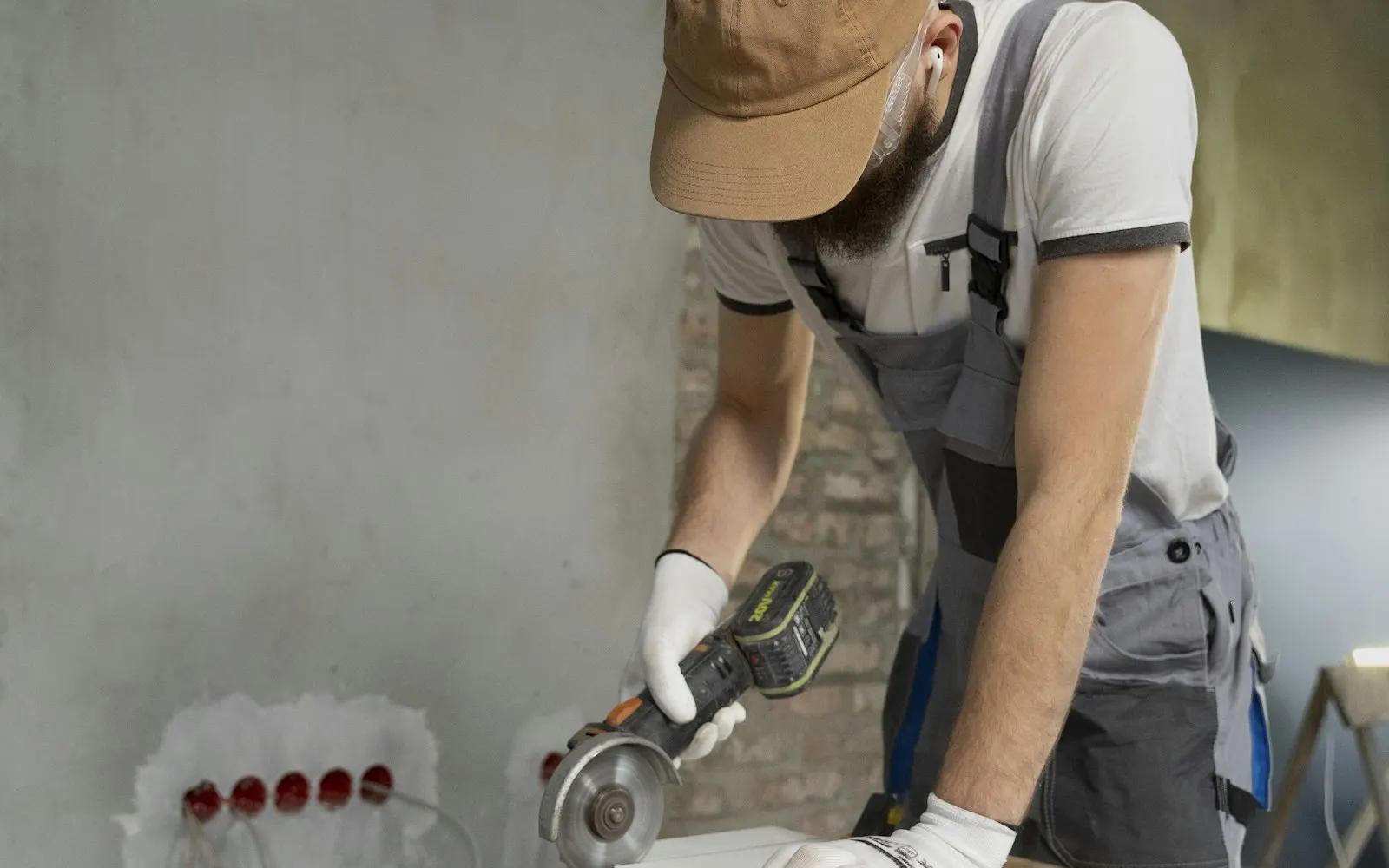
Common DIY problems include filling a large hole in one thick coat (which shrinks and cracks), using topping compound on a deep hole (which never hardens properly), not feathering the edges wide enough (which leaves a visible bump), sanding too hard (which scuffs the paper face of the plasterboard) and painting without priming (which leaves a dull patch). If you want to have a go at small holes yourself, use a ready-mixed lightweight filler, apply two thin coats, sand lightly and always spot-prime before painting.
Plaster damage by cause
Door handles
The single most common hole we patch. A door swung hard without a stop drives the handle straight through the plasterboard at about waist height. After patching, we fit a door stop or wall protector so the same hole does not reappear next month.
Furniture and moving day
Removalists and furniture corners chip external plaster corners and dent hallway walls. External corners are reinforced with a metal or paper-faced corner bead under the plaster, and a damaged corner may need the bead straightened or replaced before refinishing.
Fixings and wall plugs
Every removed shelf, curtain rod, TV bracket and picture hook leaves holes behind, sometimes with a torn paper face around them. Torn paper needs sealing before filling, otherwise it bubbles under the filler.
Moisture
Leaks, condensation in poorly ventilated bathrooms and rising damp in older solid walls cause bubbling paint, crumbling plaster and mould. The moisture source always comes first, then the repair.
Movement
Seasonal ground movement on reactive clay, plus normal shrinkage of framing timber in newer homes, shows up as cornice cracks and screw pops. Screw pops are fixed by driving a new screw beside the popped one, then filling both.
Areas we cover
We patch walls and ceilings across our service areas, including Dandenong, Noble Park, Doveton and Lysterfield.
Related services
Plaster repairs often sit alongside painting touch-ups, TV wall mounting when an old bracket is removed, picture and shelf hanging, and door repairs and installation when a handle has gone through the wall.
Frequently asked questions
Can you make a plaster patch invisible?
In most cases, yes. With proper filling, feathering, sanding, priming and paint matching, the repair should not be visible. Very old or faded paint can make a perfect touch-up difficult, in which case we recommend repainting the whole wall.
Why does the crack above my door keep coming back?
Homes on reactive clay move slightly with the seasons, opening cracks at weak points like door frames and cornices. Flexible fillers and taped repairs reduce recurrence, but some seasonal movement is normal. Wide or growing cracks should be assessed.
Can you fix a water-damaged ceiling?
Yes, once the leak has been repaired by a licensed trade and the area is fully dry. We replace damaged plasterboard, seal stains with a stain-blocking primer and repaint.
Do you paint the patch as well?
Yes. We prime and paint every patch. If you have the leftover paint or the colour name, we use that; otherwise we match as closely as possible.
Can you patch holes left by a removed TV bracket?
Yes. Holes from TV brackets, shelving and other fittings are a common job. We fill, sand, prime and paint so the wall is ready for whatever comes next.
How long before I can repaint a large repair?
Most repairs can be painted the same day. Large sections of new plasterboard with taped joints may need overnight drying, particularly in cold weather, before the final coat.
Get a free quote
Send us your list of jobs, your suburb and a few photos. We will reply with a clear written scope and a free, no-obligation quote.
Get a free quote