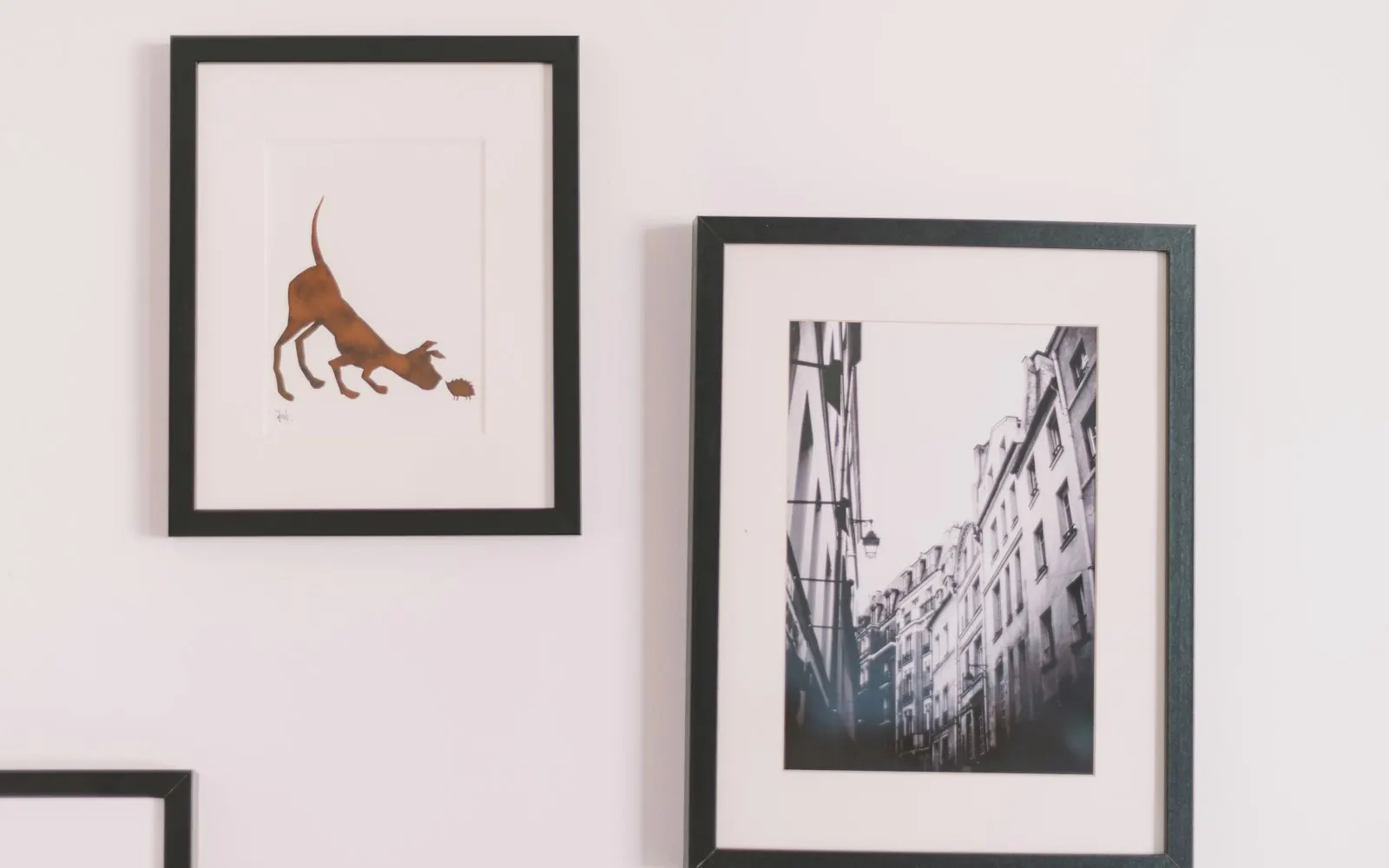
Hanging things on walls looks simple until you are standing on a chair holding a heavy mirror, trying to work out whether there is a stud behind the plaster, while someone else squints and says it is a bit higher on the left. A crooked frame, a shelf that sags, a wall plug that pulls out of the plasterboard, or a curtain rod that tears loose the first time the curtains are drawn: these are the everyday frustrations that bring people to us. Picture and shelf hanging is one of our most popular services in Dandenong and the surrounding suburbs, and it is usually done in a single visit alongside other small jobs.
We hang pictures, mirrors, artwork, gallery walls, floating shelves, bracket shelves, curtain rods and tracks, blinds, hooks, rails, coat racks, key holders, clocks and anything else that needs to go on a wall, level and secure.
What we hang
- Framed pictures, prints and canvases of every size
- Heavy mirrors, including large framed and bevelled-edge mirrors
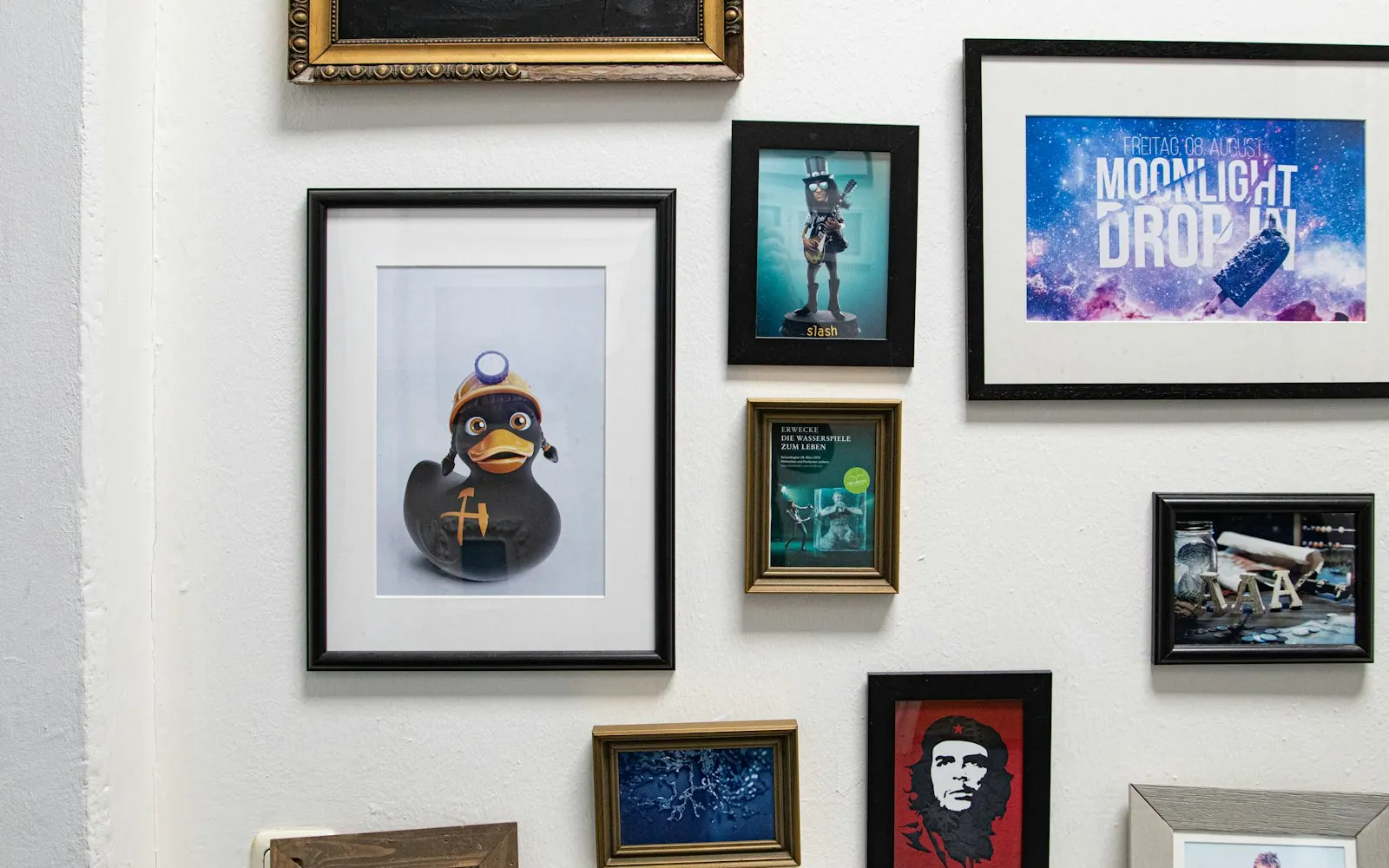
- Gallery walls with multiple frames arranged to a plan
- Floating shelves with concealed brackets
- Bracket shelves for books, plants and storage
- Shelving in garages, laundries and pantries
- Curtain rods, tracks and pelmets
- Blinds supplied by you, inside or outside the window reveal
- Hooks, hat and coat racks, towel rails and robe hooks
- Clocks, key cabinets, noticeboards and whiteboards
- Wall-mounted bike racks and garage storage hooks
- Hanging rails in wardrobes and walk-in robes
- Children’s artwork rails and display ledges
The secret is what is behind the wall
Every hanging job starts with the wall itself. The fixing must suit both the wall material and the weight of the item.
Plasterboard
Most internal walls are plasterboard on timber studs. For light pictures, picture hooks with angled pins work well and leave tiny holes. Medium weights need plasterboard anchors rated for the load. Heavy mirrors, shelves and anything that might be pulled on should be fixed into studs. We find studs with a stud finder and confirm with a test probe before drilling.
Brick and render
Double brick and rendered walls are common in older homes around Dandenong, Doveton and Noble Park. These need masonry drilling and wall plugs or masonry screws. Drilling into the brick rather than soft mortar gives a stronger hold, and we take care with render so it does not crack or blow.
Concrete
Units, apartments and commercial buildings often have concrete walls, which need a hammer drill and masonry fixings. Care is taken to avoid embedded conduits.
Tiles
Hanging items on tiled walls, such as mirrors and towel rails in bathrooms, requires a tile drill bit, slow speed and careful positioning to avoid cracking the tile. We drill through tiles rather than grout joints where the fixing needs to be strong, and seal fixings in wet areas.
Picture rails
Some older homes have timber picture rails near the ceiling. Picture rail hooks and cords or wires let you hang and move art without making new holes in the walls at all, which is ideal for period homes and renters.
Checking for hidden cables and pipes
Electrical cables commonly run vertically above and below switches and power points, and horizontally at certain heights, but older homes do not always follow the rules. Water pipes run to taps and toilets. We use a cable and pipe detector before drilling, and avoid drilling directly above or below power points and switches.
Hanging heights and layout
Single pictures
A common guide is to hang art so its centre is around 145 to 155 centimetres from the floor, roughly average eye level. Over a sofa or sideboard, leave a gap of around 15 to 25 centimetres above the furniture so the art relates to it rather than floating high on the wall.
Gallery walls
Gallery walls look best with consistent spacing between frames, often around 5 to 8 centimetres. We lay out your frames on the floor or trace paper templates onto the wall first, so you can see the arrangement and adjust it before any holes are made. Aligning frames on a central line or along a common top or bottom edge keeps the arrangement looking intentional.
Mirrors
Hallway mirrors are usually hung so the centre is at eye level for the people using them. Mirrors above a vanity or console are aligned with the furniture below.
Shelves that stay straight
Floating shelves
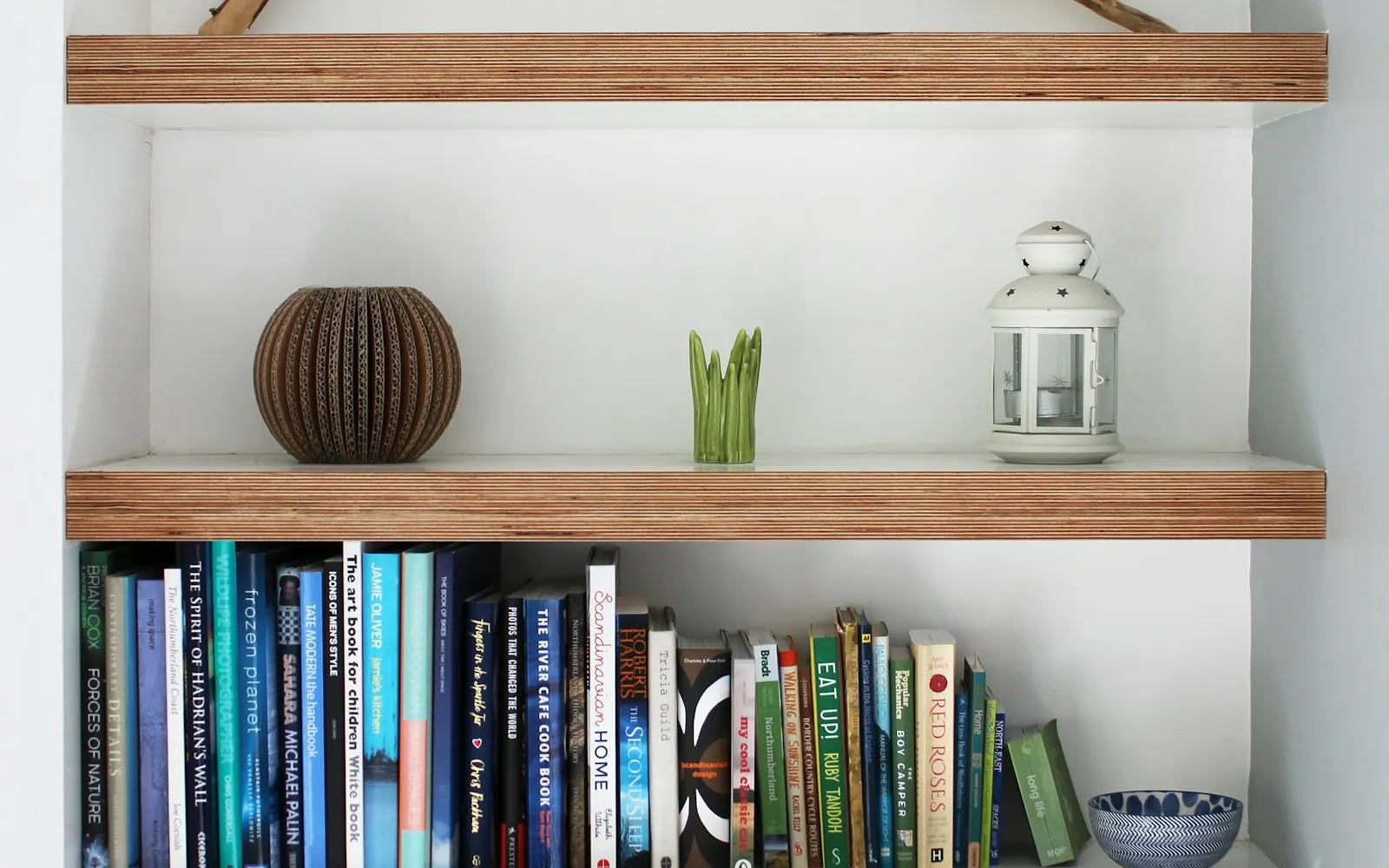
Floating shelves have hidden brackets that slide into the shelf, giving a clean look. They need very solid fixing because the shelf acts as a lever on the wall. Into studs or masonry, a good floating shelf holds books and decor comfortably; on plasterboard alone it will sag. We check the shelf’s rated load and fix accordingly.
Bracket shelves
Visible brackets carry more weight and are the better choice for heavy books, pantry storage and garages. Bracket spacing matters: long shelves need brackets close enough together that the shelf does not bow between them.
Garage and laundry shelving
We fit wall-mounted shelving systems and storage rails in garages and laundries, fixed into studs or masonry so they handle heavy items.
Curtain rods and blinds
Curtains get pulled every day, so their fixings take repeated force. Brackets fixed into the timber frame above a window, or into studs, last far longer than plasterboard anchors. Rods are typically hung 10 to 15 centimetres above the window frame and extended beyond each side so the open curtains do not block the glass, which makes the window look larger and lets in more light. We install rods, tracks and blinds you have bought, inside or outside the window reveal.
Hanging in rentals
In Victoria, renters can make certain minor modifications without the landlord’s consent, including installing picture hooks or screws for wall mounts, shelves or brackets on surfaces other than exposed brick, concrete or heritage features. Renters need to return the property to its original condition when they leave, unless the landlord agrees otherwise. We can hang things so that holes are minimal and easy to patch, and when you move out we can remove fixings and repair the wall. If you are unsure what applies to you, Consumer Affairs Victoria has guidance on renters’ modifications.
Heavy and valuable items
Large mirrors, heavy artwork and valuable pieces deserve extra care. We use two-point hanging systems with D-rings and heavy-duty hooks, or French cleats, which hold the piece flat against the wall and spread the load. For very heavy mirrors, we fix directly into studs or masonry with screws rated well above the weight. Security fixings can be fitted to deter removal in commercial settings.
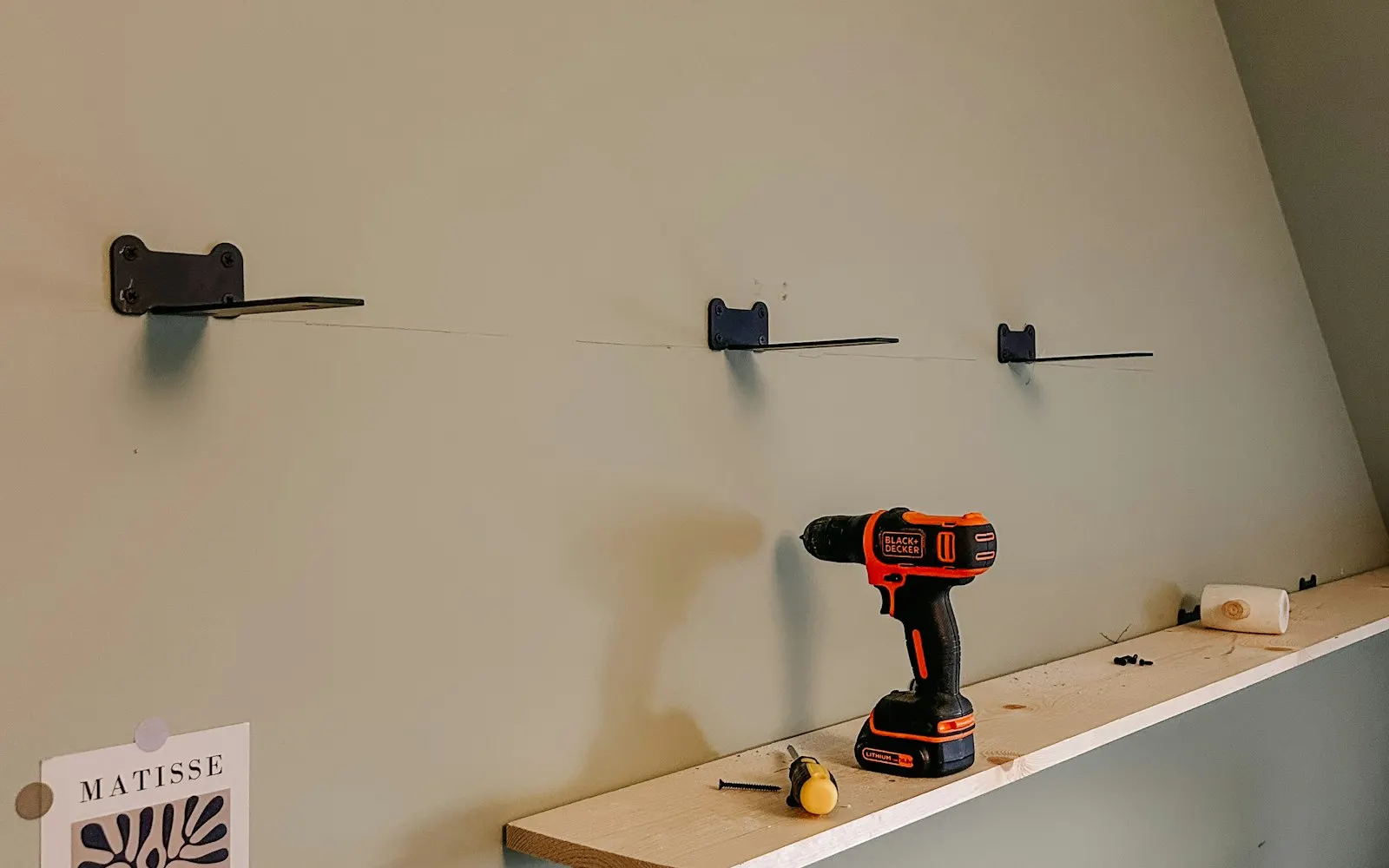
Hanging systems compared
Picture hooks with pins
Small brass hooks held by one to three angled hardened pins are the traditional way to hang light to medium frames on plasterboard. They leave tiny holes that are easy to fill and are well suited to rentals. The weight rating is printed on the packet, and using two hooks for wider frames keeps them level.
Plasterboard anchors
Self-drilling, toggle and spring anchors spread load behind the plasterboard. Each type has a rated load, but the real holding power depends on the condition of the plasterboard and the direction of force. They suit medium items that will not be pulled on.
Screws into studs
The strongest option on a plasterboard wall. Ideal for mirrors, shelves, coat racks and anything that takes regular force.
French cleats
Two interlocking strips with angled edges, one on the wall and one on the back of the item. The load spreads across the whole length, the item sits flat and level, and it is easy to lift off for cleaning. Excellent for heavy mirrors, headboards and large art.
Picture hanging rails
A slim track fixed near the ceiling with adjustable hooks on cords or wires. Art can be moved or swapped at any time without new holes, which is popular for gallery walls, offices and anyone who likes to rearrange.
Adhesive strips
Removable adhesive hooks and strips have their place for very light items, but they can fail in humid bathrooms or on textured paint, and can pull off paint when removed. We generally recommend a small screw or hook instead for anything you care about.
Moving in and setting up
The first weeks in a new home are the best time to get everything on the walls, before the boxes of frames disappear into a cupboard for years. Many customers book a moving-in visit where we hang all their pictures and mirrors, fit curtain rods and blinds, assemble furniture and put up hooks and shelves in the laundry and garage. It turns a house full of boxes into a home in a day.
Commercial and community spaces
Offices, clinics, schools, churches, community halls and retail shops across the south-east use us to hang signage, artwork, noticeboards, whiteboards, display shelving and acoustic panels. We use security fixings where pieces are at risk of being removed, and can work outside opening hours.
Child safety
In children’s rooms, keep heavy frames and mirrors away from cots and beds, use safety mirrors or acrylic glazing where knocks are likely, and fix shelves and hooks firmly so they cannot be pulled down by a climbing toddler. Blind and curtain cords should be secured out of reach with cord tensioners or cleats, as loose cords are a known strangulation hazard for young children.
Areas we cover
We hang pictures and shelves across our service areas, including Dandenong North, Noble Park North, Springvale South and Eumemmerring.
Related services
Hanging jobs combine well with TV wall mounting, flat-pack assembly, plaster and wall patching and bathroom fixtures and accessories.
Frequently asked questions
Can you hang a heavy mirror on plasterboard?
Yes, by fixing into the studs behind the plasterboard, or using a French cleat across studs. We do not rely on plasterboard alone for heavy mirrors.
Will you help arrange a gallery wall?
Yes. We lay out frames or templates first, so you can see and adjust the arrangement before any holes are drilled.
Can you install blinds and curtain rods I have bought?
Yes, we install rods, tracks and blinds you supply, inside or outside the window reveal.
Can renters hang pictures in Victoria?
Renters can make some minor modifications without consent, such as picture hooks and wall mounts on most surfaces other than exposed brick, concrete or heritage features, but must restore the property when leaving. Check Consumer Affairs Victoria guidance for your situation.
Do you drill into tiles?
Yes, using tile drill bits and careful technique to avoid cracking, and sealing fixings in wet areas.
Can you hang many items in one visit?
Yes. Most customers book a whole list of pictures, shelves and rods at once, which is the most efficient way to get it all done.
Get a free quote
Send us your list of jobs, your suburb and a few photos. We will reply with a clear written scope and a free, no-obligation quote.
Get a free quote