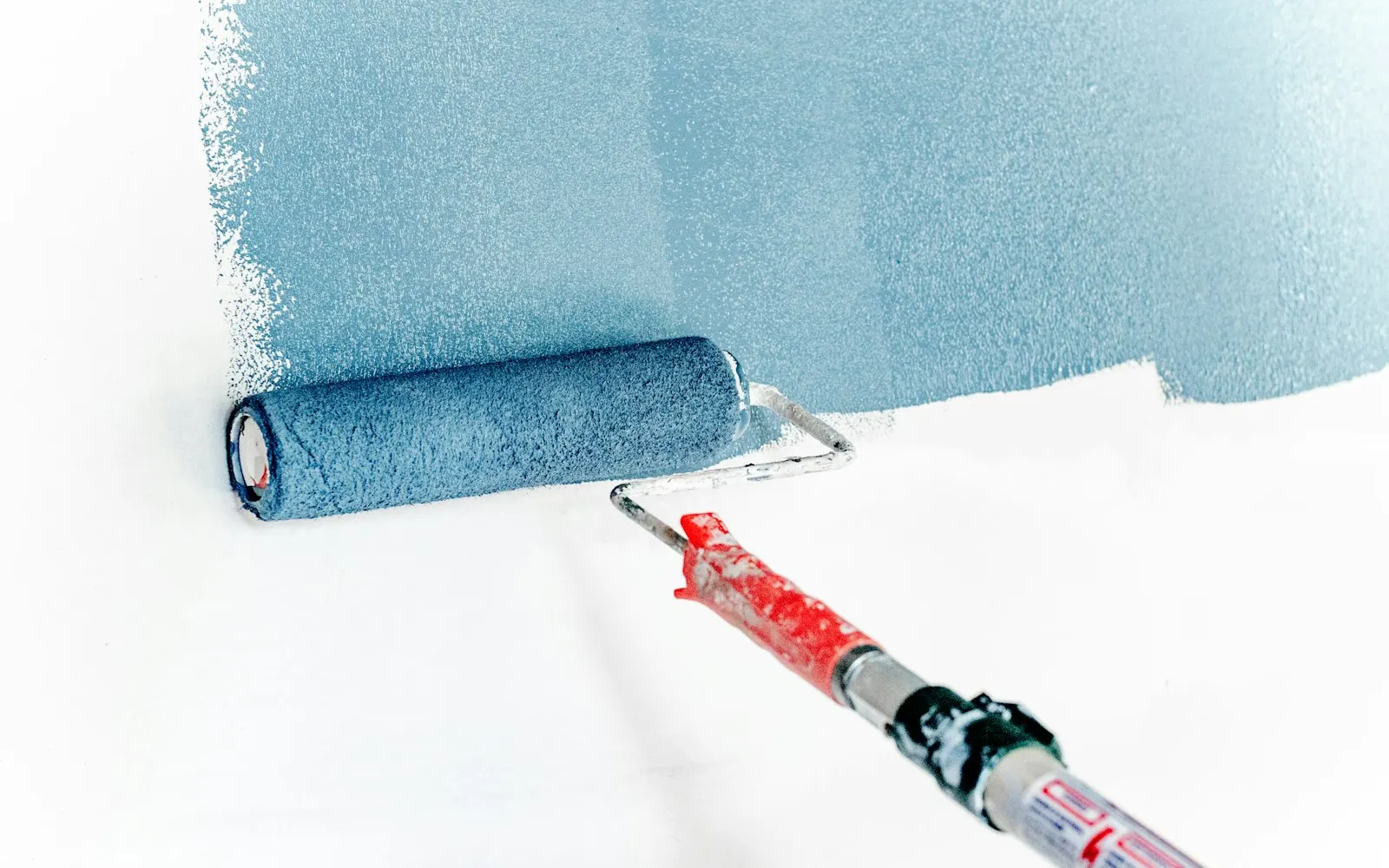
Not every paint job needs a painting contractor and a week of drop sheets. Most homes and rentals need something smaller: a hallway wall scuffed by years of school bags, a patched hole that needs to be painted in, chipped skirting boards, a front door that has faded in the afternoon sun, a ceiling stain left after a leak, or a single feature wall you are tired of looking at. Painting touch-ups are among the most requested small jobs in Dandenong and the surrounding suburbs, and they make a bigger difference to how a home looks than almost anything else of the same size.
We take on the painting jobs that sit between a dab of leftover paint and a full repaint, done tidily, with proper preparation, and usually alongside other repairs in the same visit.
What we paint
- Walls with scuffs, marks, crayon, patched holes and furniture rub marks
- Ceilings with water stains, mould marks (once cleaned and treated) and patched areas
- Skirting boards, architraves and door jambs with chips and knocks
- Internal and external doors, including front doors faded by sun
- Window frames and sills in timber homes
- Single rooms, feature walls and hallways
- Fences, gates, pergola posts and small decks (see our deck and pergola and fence pages)
- Garage walls, laundry walls and other utility spaces
- Repainting after a repair: plaster patches, new architraves, replaced doors and new skirting
Touch up or repaint the whole wall?
This is the most common question we are asked, and the honest answer depends on the paint already on the wall.
When a touch-up works
A touch-up blends well when the existing paint is fairly recent (within a few years), you have the original tin or the exact colour and sheen details, the paint is flat or low sheen, and the area being touched up is small. Flat and matt finishes are the most forgiving, because they do not reflect light in a way that shows the edge of the new paint.
When the whole wall is better
Paint fades and changes colour with age and sunlight, so even the original colour from a fresh tin can look slightly different on a wall painted eight years ago. Higher sheens like semi-gloss and gloss show every edge of a touch-up as a shiny or dull patch, called flashing. Large or numerous touch-ups across one wall tend to look patchy. In all these cases, we recommend repainting the wall from corner to corner, or the trim from one end to the other. The cost difference is usually small, and the result is far better because there are no edges to see.
We will look at the paint and tell you which approach makes sense before we start.
Preparation: where good painting starts
Paint will only look as good as the surface underneath it. Every job includes the preparation it needs:
- Cleaning grease, fingerprints and dust off walls and trims, particularly in kitchens and hallways
- Washing and treating mould with a suitable treatment before painting bathroom and laundry ceilings
- Filling holes and dents and sanding repairs flush (see our plaster and wall patching page)
- Sanding glossy surfaces so new paint grips, and sanding back flaking paint
- Spot-priming patches and bare timber
- Sealing water stains and tannin bleed with a stain-blocking primer so they do not ghost through new paint
- Masking edges, protecting floors and furniture, and removing switch plates where practical
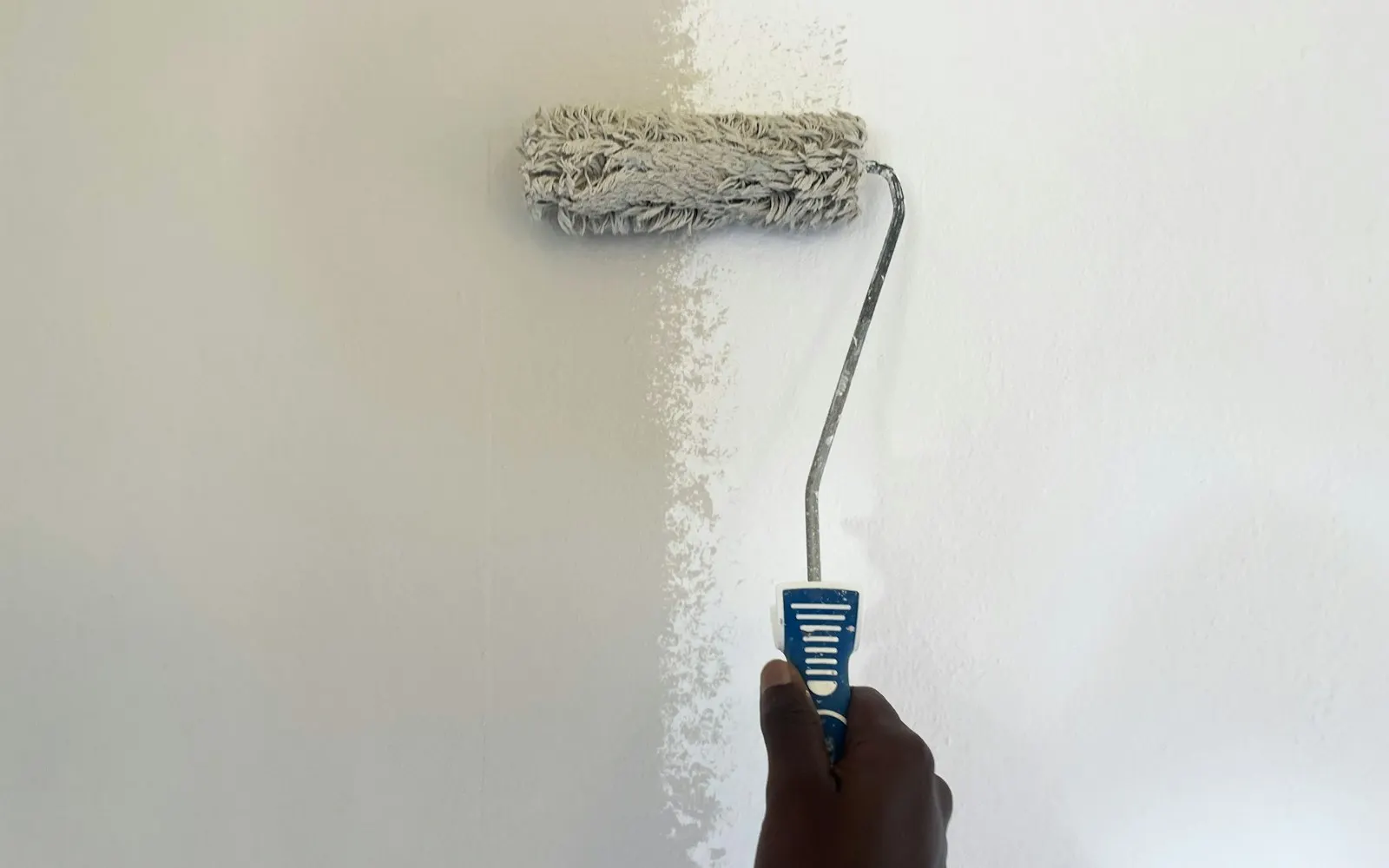
Paint types and sheens
Walls
Most living areas and bedrooms suit a low-sheen acrylic: washable, forgiving of minor imperfections, and pleasant to look at. Flat or matt finishes hide imperfections best and suit ceilings and formal rooms, but they mark more easily. Kitchens, bathrooms and laundries benefit from a washable low-sheen or semi-gloss finish with mould resistance.
Ceilings
Ceilings are almost always flat white or a ceiling-specific paint, which hides joints and roller marks. Bathroom ceilings should use a paint with a mould inhibitor.
Trims and doors
Skirting boards, architraves and doors are usually semi-gloss or gloss for durability and easy cleaning. Modern water-based enamels have largely replaced oil-based enamels for interior trims: they dry faster, do not yellow as much over time and have less odour. If your trims are painted in an older oil-based enamel, they need sanding and priming with a suitable undercoat before water-based paint goes on, or it will peel.
Exterior
Exterior surfaces need a paint rated for UV and weather. Front doors, especially those facing west or north, take a beating from the afternoon sun and benefit from a quality exterior enamel or a timber finish rated for full sun.
Colour matching
If you have the original tin, or the paint brand and colour name, matching is straightforward. If not, we can take a small sample of the existing paint, such as a chip from behind a switch plate or an inconspicuous spot, to a paint store for colour matching. Rentals and investment properties often use a standard white or neutral throughout, and property managers can usually tell us which. We note the colours used on every job so future touch-ups are easy.
Painting for rentals and sale
End of lease
Scuffed walls are a common item on Victorian bond inspection reports. A clean, freshly touched-up hallway and living area often makes the difference between a full bond return and deductions. Our end-of-lease repairs service combines touch-ups with all the other small fixes.
Between tenants
Property managers use us to refresh rentals between tenancies: patching, touching up and repainting high-traffic areas so the property is ready to photograph and lease again quickly.
Preparing to sell
Before listing, a refresh of the entry, hallway, front door and main living spaces lifts the first impression significantly for buyers walking through and in listing photos. It is one of the most cost-effective pre-sale jobs there is.
Small exterior painting
We take on small exterior jobs such as a front door, a letterbox and gate, fence palings, pergola posts, eaves touch-ups and window frames. Exterior painting needs dry weather, a surface that is not too hot, and enough time for each coat to dry before evening dew. In Melbourne’s changeable weather we keep an eye on the forecast and reschedule outdoor painting if needed rather than risking a poor finish. Large exterior repaints of whole houses are better suited to a dedicated painting contractor, and we will tell you if a job is outside the scope of a handyman.
Lead paint in older homes
Homes built before 1970 may have lead-based paint in older layers, particularly on timber windows, doors and trims. Sanding or scraping lead paint creates hazardous dust. On older homes we take care with preparation methods, use wet sanding and containment where appropriate, and recommend testing if there is any doubt. Lead test kits are available from hardware stores, and we can test before starting.
What to expect on the day
We arrive with drop sheets, masking and the right brushes and rollers. Furniture near the work area is moved or covered. Most touch-up work is completed in a single visit, with each coat given time to dry. Multiple coats are usually needed for colour changes, stain sealing or covering patches. When we leave, the area is clean, the drop sheets are gone and the switch plates are back on. Leftover paint is labelled with the room and colour for your future use.
Common painting problems we fix
Peeling and flaking
Peeling paint usually means the paint never bonded properly: it went over a glossy surface without sanding, over dust or grease, over oil-based enamel without a suitable primer, or onto a surface that was damp. The fix is to scrape back all loose paint, sand the edges smooth, prime and repaint. Painting over peeling paint only traps the problem under a new layer.
Mould on bathroom ceilings
Black spots on bathroom and laundry ceilings come from moisture with nowhere to go. Painting straight over mould does not work; it grows back through the paint within weeks. We clean and treat the mould, let the surface dry, then use a mould-resistant ceiling paint. We will also suggest running the exhaust fan longer or checking it is working, because ventilation is the real cure.
Roller marks and patchy walls
Visible roller lines, thick edges where the brush cut in and uneven colour usually come from too little paint on the roller, rolling over paint that has started to dry, or skipping a second coat. We roll full sections wet-edge to wet-edge, and apply two coats where needed so the finish is even.
Cracking on trims
Fine cracks along the joint between skirting and wall, or around architraves, appear as the house moves and timber shrinks. We fill these joints with a paintable flexible gap filler before painting so the line stays clean.
Yellowing white trims
Old oil-based enamels yellow with age, especially in darker areas. Repainting in a modern water-based enamel over a suitable primer brings back a clean, bright white that stays white.
Choosing a colour for a rental or sale
Neutral, warm whites and soft greys photograph well, suit most furniture and appeal to the widest group of tenants and buyers. A single consistent colour throughout makes future touch-ups simple. We are happy to talk through options, but the final choice is always yours.
Areas we cover
We paint and touch up homes across our service areas, including Dandenong, Springvale, Keysborough and Endeavour Hills.
Related services
Painting often goes hand in hand with plaster and wall patching, floor and skirting repairs, door repairs and installation, and end-of-lease repairs.
Frequently asked questions
Can you match my existing paint?
Yes, if you have the tin or the colour details. If not, we can take a small chip of the existing paint to a paint store for computer matching. Very old or faded paint may still look slightly different, in which case we recommend repainting the whole wall.
Do you paint whole rooms?
Yes, single rooms, hallways and feature walls are well within our scope. For whole-house interior or exterior repaints, a dedicated painting contractor is often a better fit, and we will tell you honestly.
Do I need to supply the paint?
You can, especially if you have the original tin. Otherwise we can supply quality paint in the colour and sheen you choose.
Can you paint a water-stained ceiling?
Yes, once the leak is fixed and the area is dry. We seal the stain with a stain-blocking primer first, otherwise it bleeds through new paint.
How long until I can use the room?
Modern water-based paints are touch-dry within an hour or two and can usually be lived with the same day. Avoid washing or bumping fresh paint for a couple of weeks while it fully cures.
Why does my touch-up look shiny or patchy?
That effect is called flashing. It happens when the sheen of the touch-up does not match the old paint, or when a patch was not primed. Priming patches and repainting full walls avoids it.
Get a free quote
Send us your list of jobs, your suburb and a few photos. We will reply with a clear written scope and a free, no-obligation quote.
Get a free quote