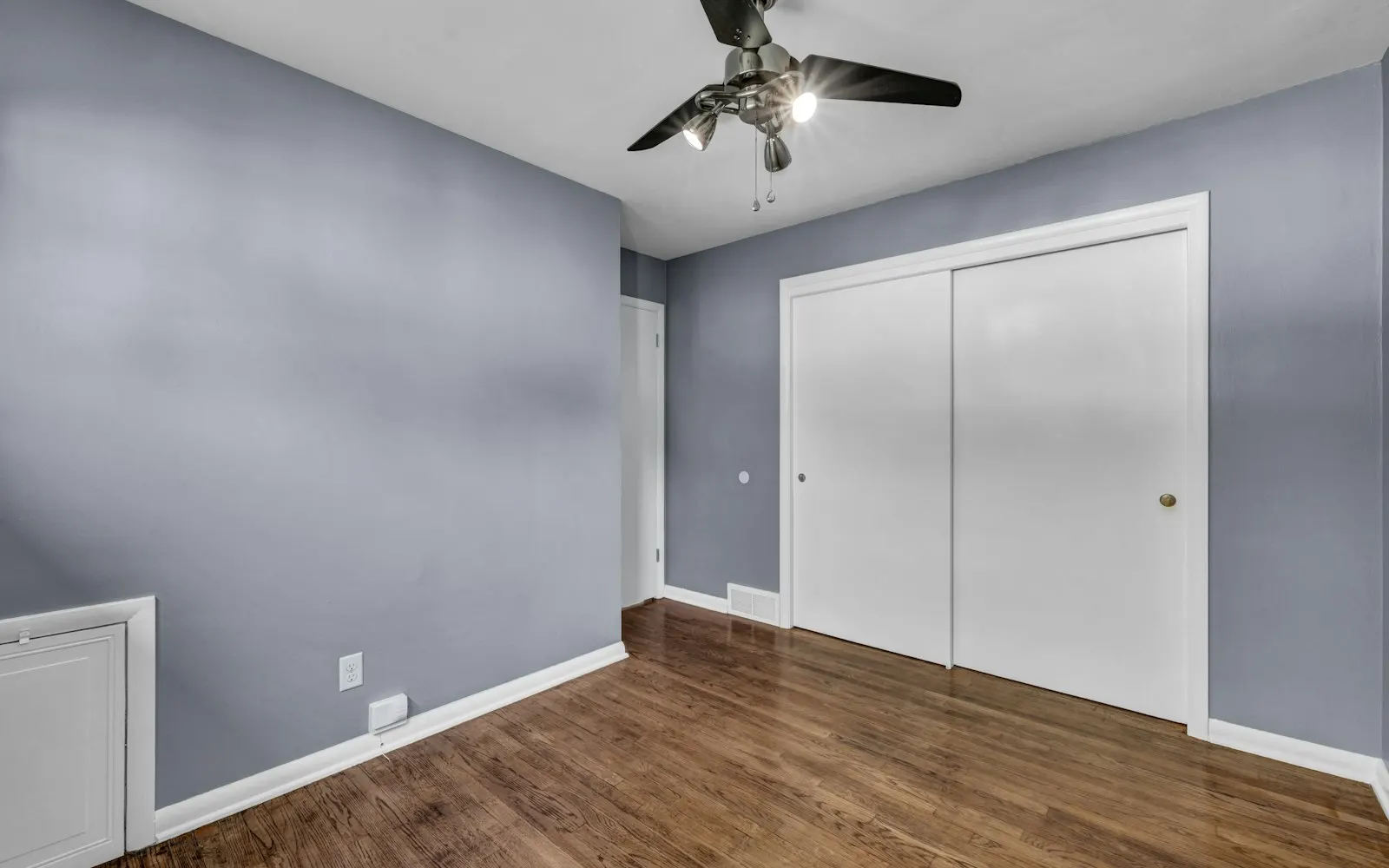
Floors and skirting boards take more abuse than any other surface in a home. They carry every footstep, every dragged chair and every vacuum cleaner bump, and skirting boards get kicked, scuffed, chewed by puppies and swollen by mopping water. A squeaky floorboard in the hallway, a laminate plank that has lifted at the join, a gap at the doorway where carpet meets tiles, a cracked or split skirting board, or a section of swollen MDF skirting next to the bathroom door: these are the kinds of floor and skirting problems we repair in homes and rentals across Dandenong and the surrounding suburbs.
Housing across the area includes older homes with timber floorboards on stumps, especially in Dandenong, Doveton, Noble Park and Springvale, as well as newer homes on concrete slabs with laminate, hybrid, vinyl plank, tiles and carpet in Keysborough, Lysterfield and Dandenong South. Each type has its own problems and repair methods.
Floor repairs we carry out
- Fixing squeaky and creaking timber floorboards
- Re-fixing loose and lifting floorboards
- Replacing damaged, split or rotten floorboards
- Replacing damaged laminate, hybrid and vinyl planks
- Repairing peaked or lifted joins in floating floors
- Fitting and replacing threshold strips, door bars and transition trims
- Repairing scribers and quad beading at floor edges
- Patching small areas of floor after a fixture is removed
- Re-fixing loose stair treads and nosings
- Filling gaps and minor damage in timber floors
Skirting board repairs we carry out
- Replacing damaged, swollen and split skirting boards
- Re-fixing loose skirting boards
- Matching profiles for older homes as closely as possible
- Fitting new skirting after flooring changes
- Repairing mitred corners and scarf joints
- Filling, caulking and painting skirting boards
- Replacing architraves around doors to match
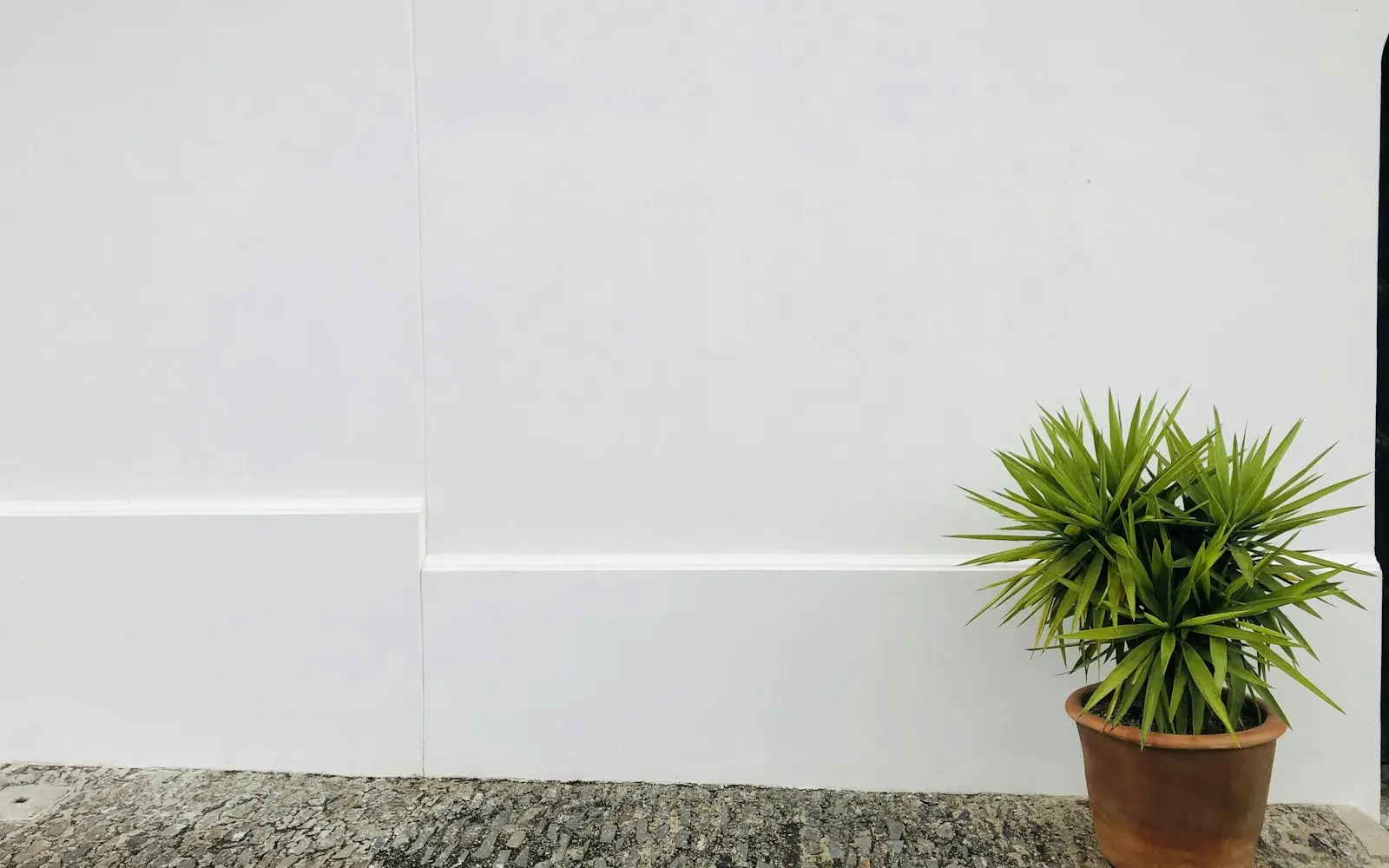
Timber floors on stumps
Why floors squeak
Timber floors squeak when boards rub against each other or against nails as they move. Common causes are nails that have loosened as the timber has shrunk, boards that are not supported properly between joists, and gaps between joists and bearers. Squeaks are more noticeable in summer and winter, when timber shrinks and swells with humidity changes.
How we fix squeaks
Where we can access the floor from underneath through the subfloor, we can pack gaps between joists and boards, add blocking or screw from below. From above, we use squeak-repair screws that are driven through the board into the joist, then snapped off below the surface and filled, which makes the repair virtually invisible. Carpeted floors can often be repaired through the carpet with specialist fixings.
Stumps and subfloor movement
If a floor slopes, bounces, or doors have started sticking in multiple rooms, the cause may be stump movement rather than the floor itself. Older homes on timber or concrete stumps in reactive clay soils can move as the stumps settle or rot. Restumping and relevelling is specialist work requiring a restumping contractor, and in Victoria may require a building permit. We will tell you if your floor issues point to a subfloor problem.
Replacing damaged floorboards
Floorboards damaged by water, termites, or furniture can be replaced individually. Matching old boards can be difficult, as widths, species and colour vary. Sources for matching boards include salvage yards, leftover boards from the original installation, or taking a board from a hidden area such as inside a wardrobe and replacing that with new timber. New boards are fitted, sanded to level and finished. Where a floor is coated with polyurethane, the repair may need recoating of the surrounding area to blend in.
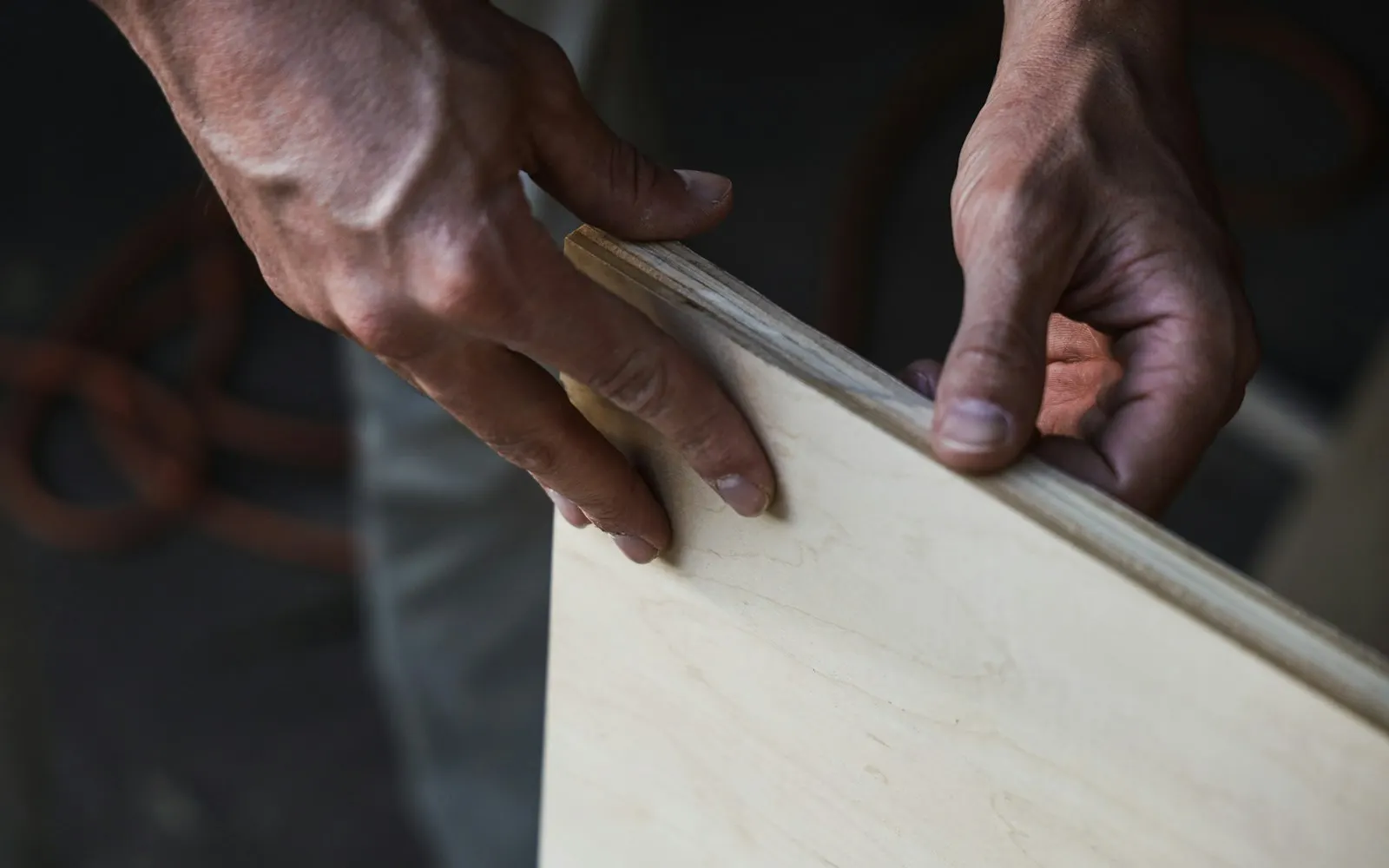
Floating floors: laminate, hybrid and vinyl plank
Common problems
Floating floors are not fixed to the subfloor; they click together and float on an underlay. Problems we see include peaking at joins where planks have no room to expand, lifting near doorways, swelling from water spills or pet accidents on laminate, damaged planks from dropped objects, and gaps opening at joins.
Expansion gaps
Floating floors need expansion gaps around the edges and at doorways, hidden under skirting boards, scotia or trims. When the gap is too small, or when furniture or kitchen cabinets pin the floor down, the planks can push against each other and peak. We trim edges to restore the gap and refit trims.
Replacing a plank
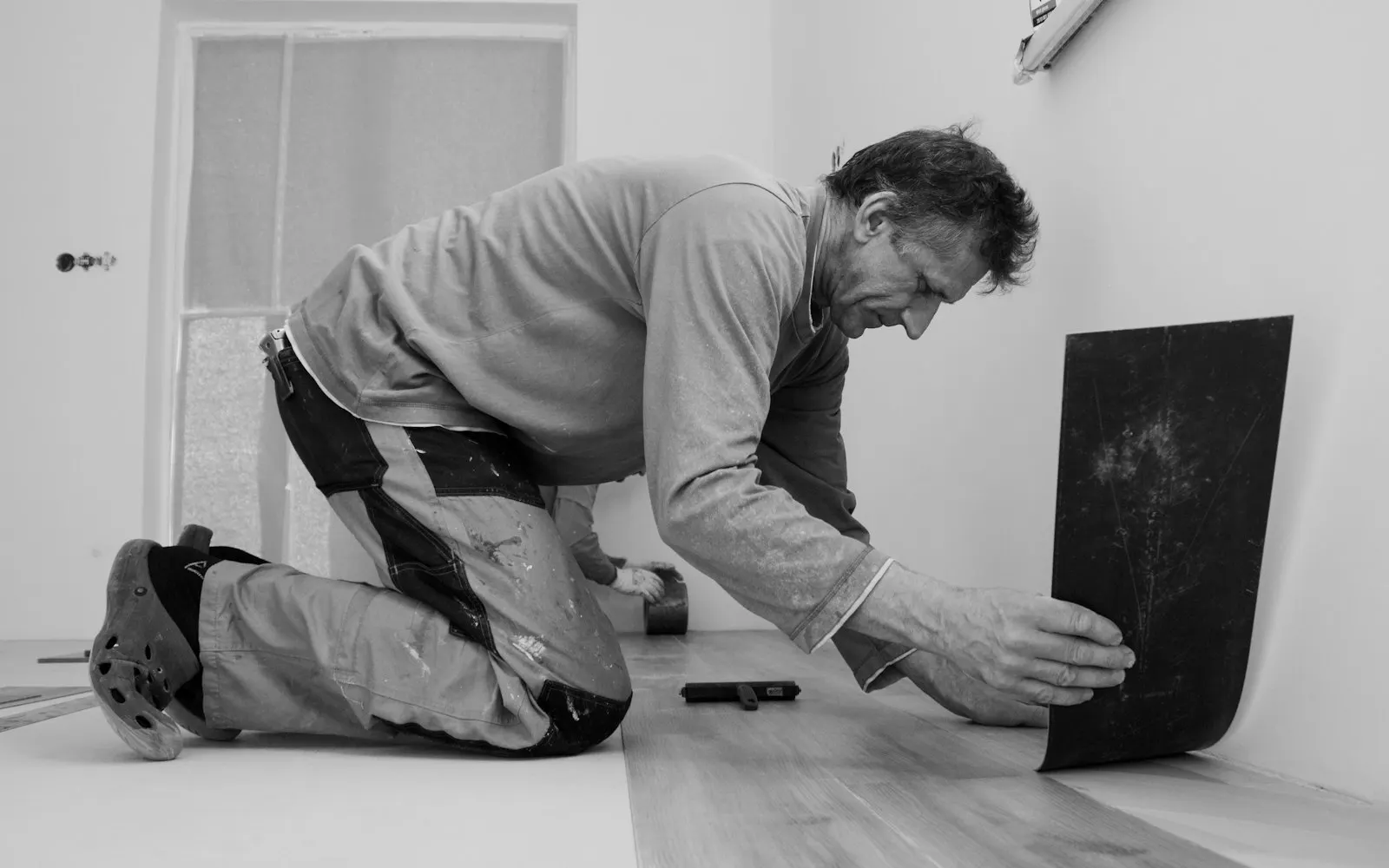
Replacing a damaged plank in the middle of a room usually means either unclicking the floor from the nearest wall to the damaged plank, or cutting out the damaged plank and gluing in a replacement with modified tongue and groove. Having spare planks from the original installation makes a perfect match much more likely, so check your garage for leftovers.
Thresholds and transitions
Where carpet meets tiles or floorboards meets vinyl, transition strips cover the edge and stop tripping. Worn, loose or missing trims are a trip hazard, especially for older people. We fit new threshold strips, ramp trims for height differences, and end caps at sliding doors. For homes where an occupant uses a walking frame or wheelchair, low-profile ramps make doorways easier to cross. See our aged care and disability rails page.
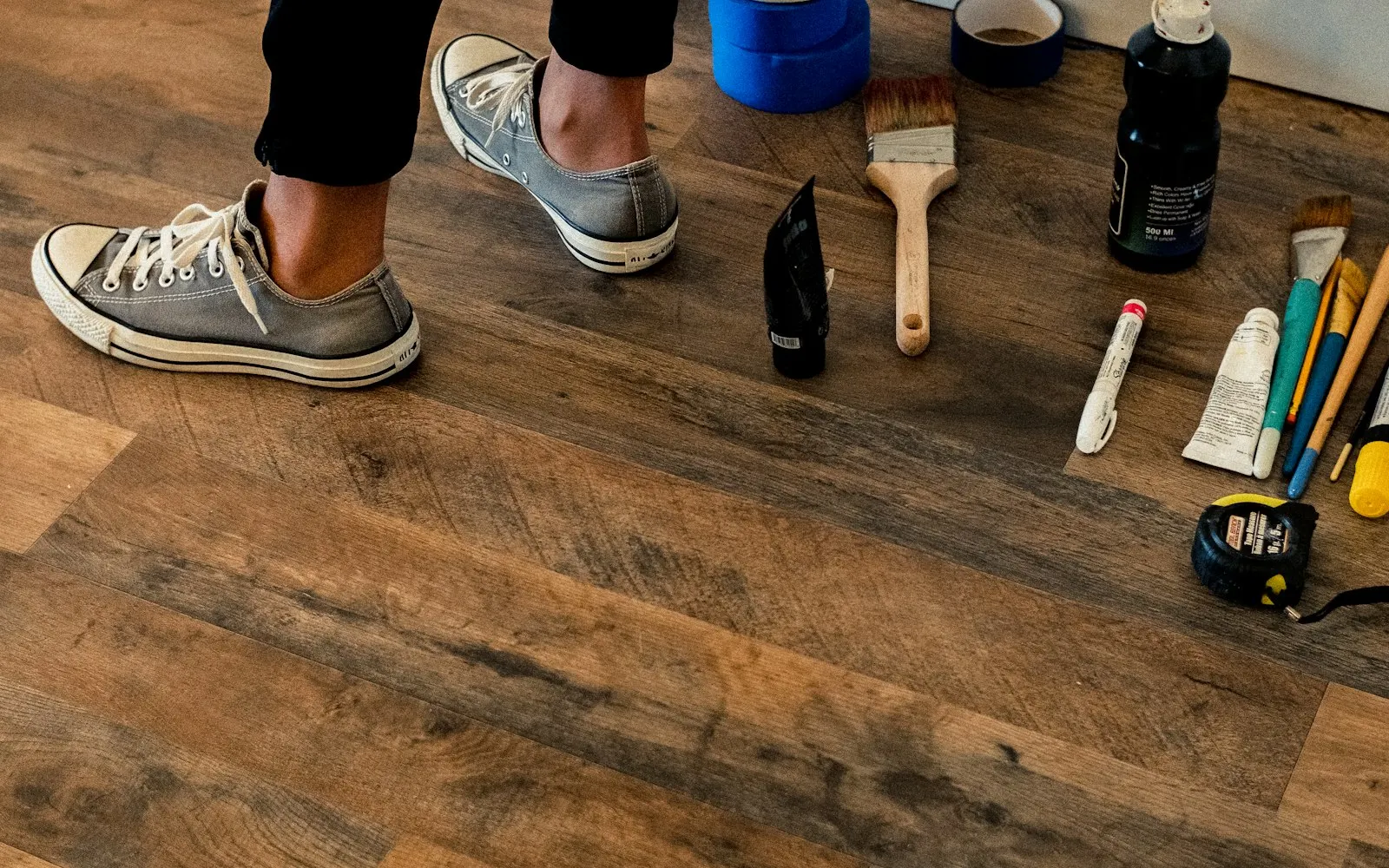
Skirting boards
Swollen MDF skirting
Many newer homes have MDF skirting boards, which swell and lose their shape when they get wet from mopping, leaking appliances or water escaping from showers. Swollen MDF does not recover. We replace swollen sections, seal the bottom edge and ends of new boards, and paint. If skirting next to a bathroom keeps swelling, the shower may be leaking and should be checked.
Matching older profiles
Older homes have a variety of skirting profiles: tall, decorative period skirtings in older houses, splayed or bullnose profiles from the 1960s to 1980s, and modern square-edged boards. Many profiles are still available from timber suppliers. For unusual profiles, we find the closest match, and on larger jobs it can be better to replace the skirting in a whole room so everything matches.
Gaps at the top and bottom
Gaps above skirting boards, where the wall has moved or the board was never fixed tight, are filled with paintable gap filler. Gaps below, where a floor has been replaced with a thinner product, can be covered with a scotia or quad strip.
Floors and rentals
Floor and skirting damage are common bond issues, from scratched floating floors to chewed skirting. Repairing damage before an end-of-lease inspection can help renters avoid deductions, and property managers use us between tenancies. See our end-of-lease repairs page.
Termites
Damaged skirting boards that sound hollow, floorboards that feel soft, or mud tracks along skirting and in the subfloor can be signs of termites, which are present across Melbourne’s south-east. If we see signs of termite activity, we stop and recommend a licensed pest inspector before any repair, because replacing damaged timber does not solve an active infestation.
Floor types in local homes
Baltic pine and hardwood boards
Many older homes have original Baltic pine or Australian hardwood floorboards hidden under carpet. When carpet is lifted, the boards often only need nail punching, gap filling, a few board replacements and sanding to look beautiful. We handle the repairs before a floor sander comes in, which makes the sanding job go faster and the result more even.
Tongue and groove particleboard
Some homes from the 1970s and 1980s have particleboard flooring sheets under carpet or vinyl. Particleboard swells and breaks down if it gets wet, typically near bathrooms, laundries and kitchen sinks. Damaged sections can be cut out and replaced with new sheet flooring, fixed to joists and levelled.
Concrete slabs
Most newer homes are on slabs. Floor problems on slabs are usually about the covering: floating floors, tiles, vinyl or carpet. Cracks in slabs are common and usually cosmetic, but cracks that grow, or that come with doors sticking or tiles lifting, may need assessment.
Vinyl and lino
Sheet vinyl can tear, lift at seams or bubble. Small tears and lifted seams can be repaired with seam adhesive or patched with matching offcuts.
Carpet edges
Carpet coming away from gripper strips at doorways and edges is a trip hazard. We re-stretch small areas, re-fix gripper and fit carpet bars at doorways. Large re-stretching jobs are best done by a carpet layer with a power stretcher.
Preparing for new flooring
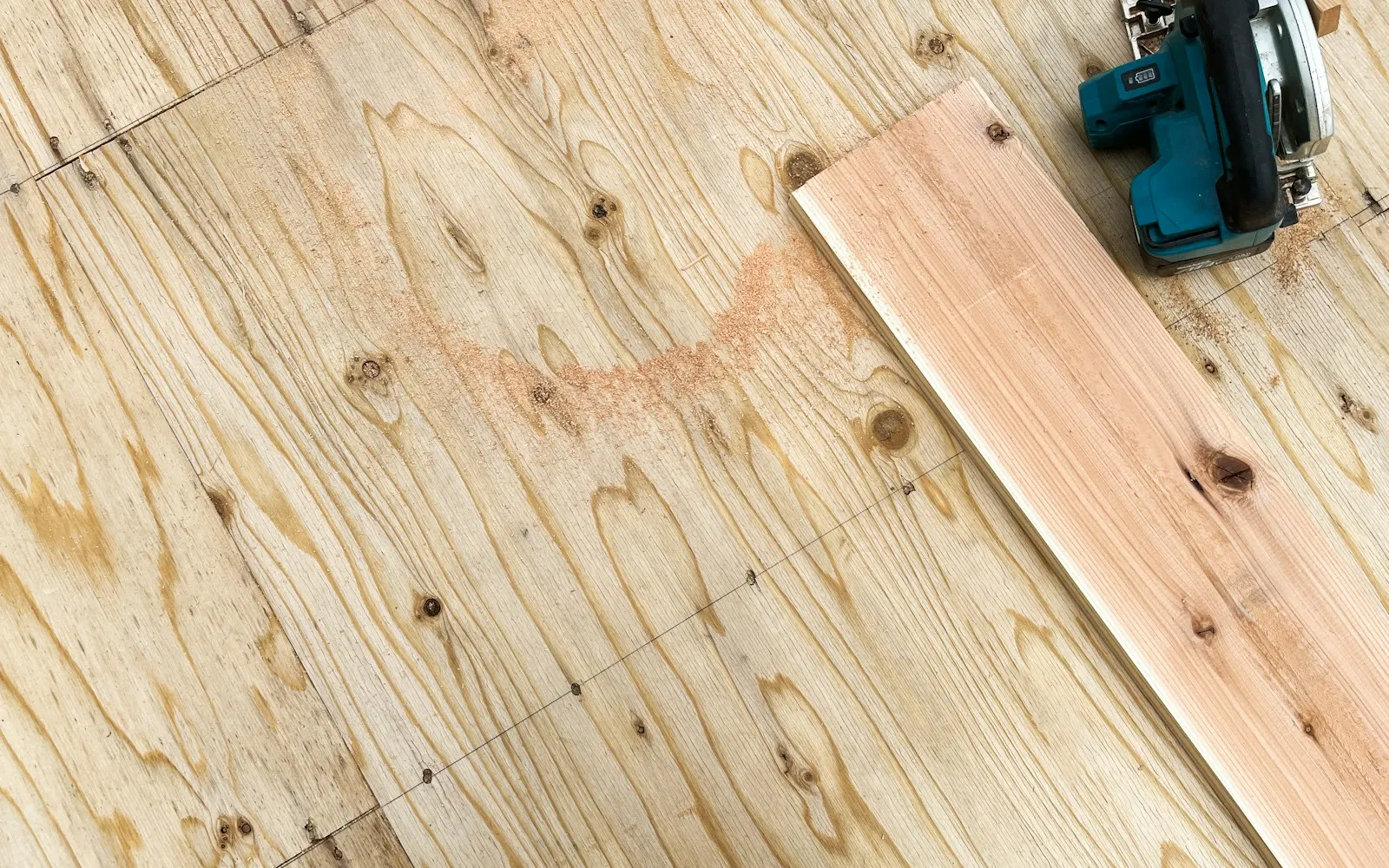
When new flooring is going in, we can remove and refit skirting boards, trim the bottom of doors so they clear the new floor height, remove old floor coverings and smooth tack strips and staples, and fit new trims at transitions. Planning the transitions before the floor goes in avoids awkward height changes at doorways.
Stairs
Loose treads, creaky steps and worn nosings on timber stairs are both annoying and a safety risk. We re-fix treads with glue and screws, replace damaged nosings and fit anti-slip nosing strips on stairs used by children or older people.
Protecting floors and skirting
Felt pads under chair and table legs prevent most scratches on timber and floating floors. Wipe up spills promptly, particularly on laminate, which swells if water sits on the joins. Mop with a well-wrung mop rather than a wet one, so water does not soak into skirting boards. Mats at external doors catch grit that scratches floors. Keep pets’ claws trimmed. For skirting, a protective corner guard in hallways that take knocks from prams, vacuum cleaners and wheelchairs prevents repeated damage. Small habits like these keep floors and trims looking good for years, and keep repair visits small.
When we finish a floor or skirting repair, we vacuum up all dust and offcuts and leave any spare boards or trims labelled for the future.
Areas we cover
We repair floors and skirting across our service areas, including Doveton, Springvale, Noble Park and Keysborough.
Related services
Floor repairs pair with carpentry, painting touch-ups, door repairs and installation and end-of-lease repairs.
Frequently asked questions
Can you fix a squeaky floor without lifting the carpet?
Often, yes. Specialist fixings can be driven through carpet into the joist below, pulling the board tight and stopping the squeak.
Can you replace one damaged laminate plank?
Usually. We unclick the floor to the damaged plank or cut it out and glue in a replacement. Spare planks from the original job give the best match.
Why is my floating floor lifting?
Usually because there is not enough expansion gap at the edges or doorways, or the floor is pinned under heavy furniture or cabinets. Moisture can also cause swelling.
Can you match my old skirting boards?
Many older profiles are still available. For unusual profiles, we find the closest match, or recommend replacing a whole room’s skirting.
My floors slope. Can you fix that?
Sloping floors often point to stump movement, which needs a restumping specialist. We can assess and advise.
Do you paint new skirting boards?
Yes. New boards are sealed, filled, caulked and painted to match.
Get a free quote
Send us your list of jobs, your suburb and a few photos. We will reply with a clear written scope and a free, no-obligation quote.
Get a free quote