Fences do a lot of quiet work. They keep the dog in and the neighbour’s dog out, they give a backyard its privacy, they mark the boundary and they keep small children away from the street. Most of the time nobody thinks about them until a storm knocks a section over, a post rots through at the base, the palings start dropping off or the side gate drags along the concrete and refuses to latch. Fence and gate repairs are one of the most common outdoor jobs we do in Dandenong and the surrounding suburbs.
The suburbs we serve have every kind of fence: grey-weathered timber paling fences in the older streets of Dandenong, Doveton and Noble Park, capped timber fences in the 1980s estates of Endeavour Hills and Dandenong North, Colorbond steel in the newer parts of Keysborough and Lysterfield, plus picket fences, brushwood and plenty of low brick front fences with timber or steel infill. We repair them all, and we fix the gates that go with them.
Fence repairs we carry out
- Replacing broken, split and missing palings
- Replacing rotten timber posts and setting new posts in concrete
- Straightening leaning sections and re-fixing rails to posts
- Replacing rotten or broken rails
- Fitting new plinths (kickboards) where the bottom board has rotted against the soil
- Repairing Colorbond panels, rails and posts after impact or storm damage
- Repairing picket fences and replacing pickets
- Patching or replacing small sections of fence after storm or tree damage
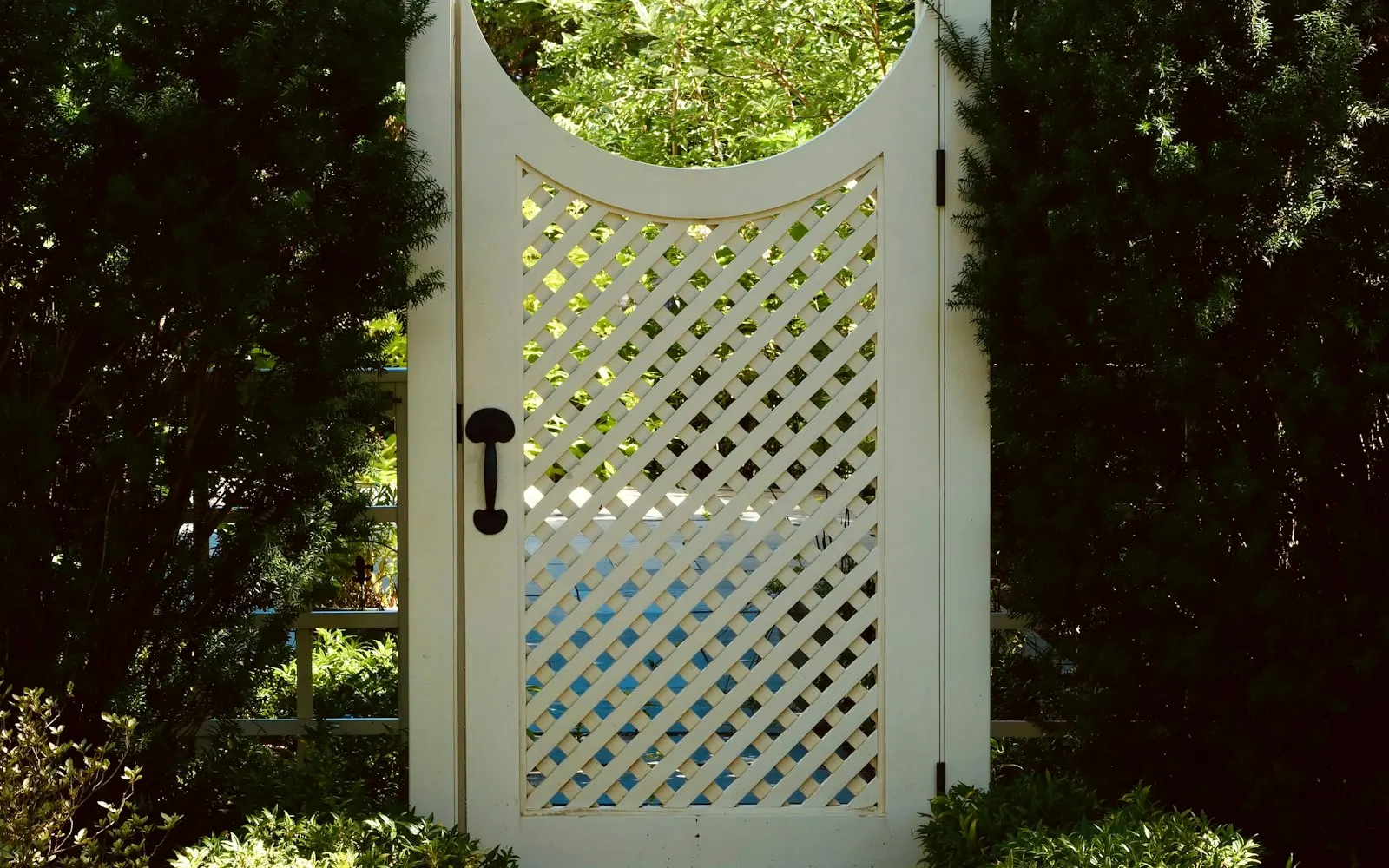
- Adding lattice or trellis extensions for privacy, where permitted
- Fixing pool fence gates and latches (see the pool safety note below)
Gate repairs we carry out
- Fixing sagging and dragging gates
- Replacing worn and broken hinges
- Fitting new latches, drop bolts and gate locks
- Fitting self-closing hinges and magnetic latches
- Re-hanging gates on new or repaired posts
- Adding diagonal bracing or anti-sag kits
- Building replacement timber side gates
- Repairing steel and Colorbond gate frames
Why fences fail
Rotten posts
The most common failure in timber fences is the post rotting at ground level, where it stays damp and is exposed to fungi and termites. Once a post has rotted, the section either leans or the next strong wind lays it down. Older fences often have untreated or poorly treated posts set straight into soil. We replace them with treated posts set in concrete, or use steel posts or post stirrups where they suit.
Rails letting go
Rails are the horizontal timbers that the palings are nailed to. Nails rust and work loose, rail ends split, and the joint where the rail meets the post fails. A fence with good posts but failing rails can often be straightened and re-fixed with screws or brackets, saving the cost of replacement.
Plinths and soil
The bottom board of a timber fence, the plinth, sits against garden soil and mulch on one side. It rots faster than anything else on the fence. Garden beds banked up against fences speed this up dramatically. Replacing the plinth with a treated board, and keeping soil off the palings, adds years to a fence.
Wind and trees
Fences act like sails in strong winds, especially solid paling and Colorbond fences. Storms in the south-east regularly push over fences that already had weak posts. Tree roots also lift posts, and falling branches crush sections.
Gates: why they sag
Gates sag because their own weight pulls the latch side down over time. The main causes are hinges that have worn or loosened, a hinge post that has started to lean, or a gate frame without a diagonal brace (or with the brace running the wrong way). A brace should run from the bottom hinge-side corner up to the top latch-side corner, so it pushes the latch side up. We check all three causes and fix the real one, rather than just tightening screws that will loosen again next month.
Timber fence repair or replace?
Repair makes sense when
Most posts are sound, the palings are in reasonable condition, and only a few posts, rails or sections have failed. Targeted repairs can extend a fence’s life by many years for a fraction of replacement cost.
Replacement makes sense when
Most posts have rotted, the fence leans along most of its length, palings are weathered thin and splitting, or repeated repairs have left a patchwork. In that case replacement is usually better value. Large boundary fence replacements are often handled by specialist fencing contractors, and we will say so if that is the better path, while handling the smaller jobs ourselves.
Dividing fences in Victoria
In Victoria, the Fences Act 1968 sets out how neighbours share the cost of a dividing fence. Generally, adjoining owners share the cost of a basic, sufficient dividing fence equally, and the process starts with a fencing notice to the neighbour. Repairs to a shared fence are usually best discussed with your neighbour first. Renters should report fence damage to their landlord or agent, as fence repairs are generally the owner’s responsibility. Information is available from the Dispute Settlement Centre of Victoria. We are happy to quote for a shared repair and provide the quote to both neighbours.
Pool fences and gates
Pool safety barriers in Victoria must comply with strict standards, and pool owners must register their pool or spa with their council and have the barrier inspected and certified periodically. A pool gate must self-close and self-latch from any open position. If a pool gate is not closing and latching on its own, fix it immediately: it is a serious drowning risk for young children. We repair and adjust pool gate hinges and latches, but compliance certificates must be issued by a registered building surveyor or building inspector, and we recommend having repaired barriers checked if an inspection is due.
Colorbond fence repairs
Steel fences do not rot, but they can be dented by cars, bins and falling branches, and posts can lean if footings move. Panels are often replaceable individually if the colour is still available. Colours fade over years, so a new panel may look slightly brighter at first. Rails and posts can be straightened or replaced. Damaged steel panels with sharp edges should be secured promptly, particularly where children play.
Fence painting and staining
Timber fences last longer and look better with a stain or paint. A water-based fence stain is quick to apply, comes in many colours, and is easy to recoat. We paint and stain fences and gates as part of repairs or as a standalone job, and new palings can be stained to match the rest of the fence.
Asbestos fences
Some older homes in the area still have asbestos cement sheet fences, often called fibro fences, typically grey corrugated sheets. These must not be cut, drilled, broken or pressure-washed. We do not work on asbestos fences; removal requires a licensed asbestos removalist. If you are unsure, testing is inexpensive.
Fence types common in the south-east
Timber paling
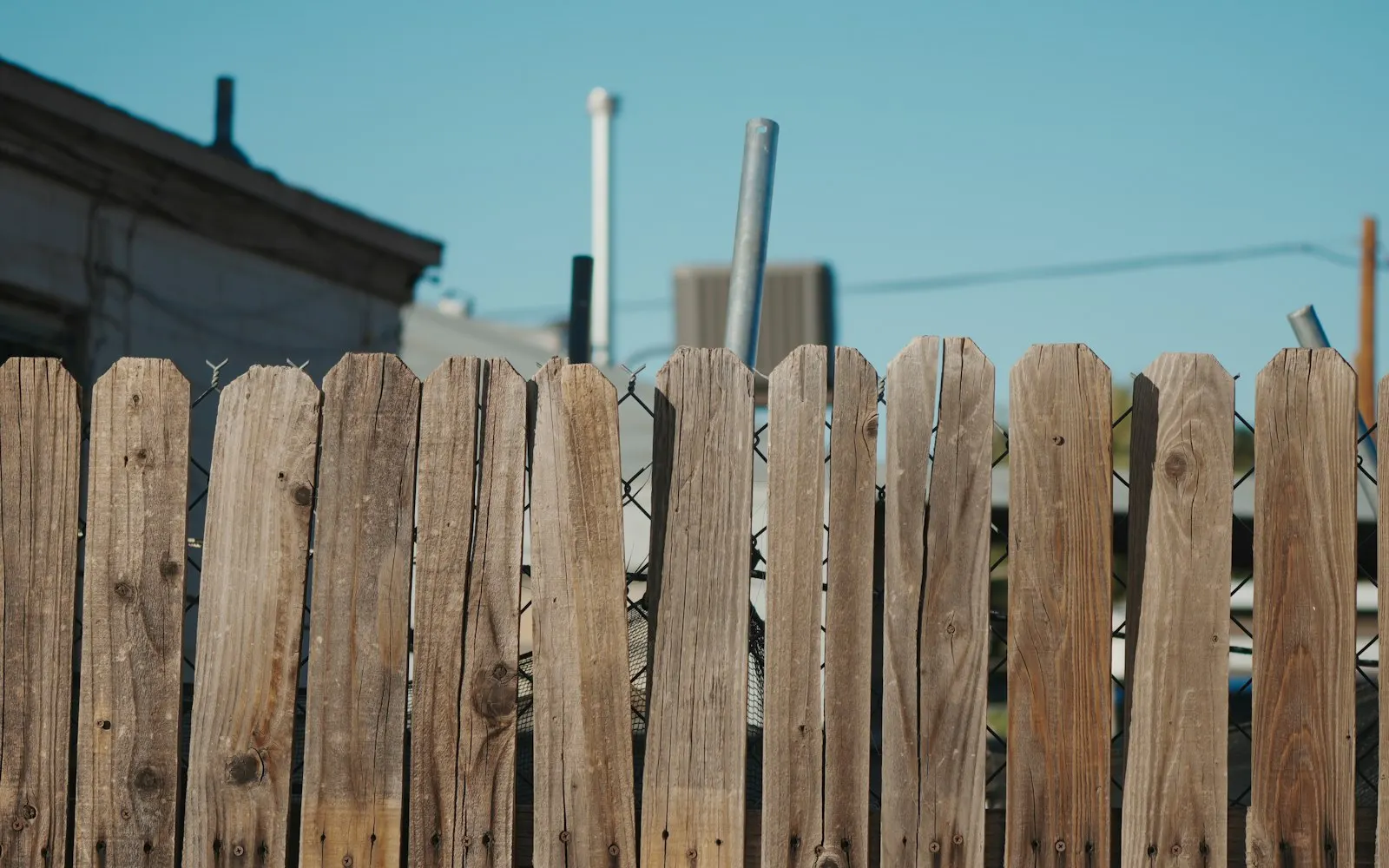
The classic Melbourne backyard fence: vertical palings nailed to two or three horizontal rails between posts about 2.4 metres apart. Paling fences are affordable and easy to repair one part at a time. Lapped and capped versions, where palings overlap and a capping rail runs along the top, give more privacy and shed rain better, which helps them last.
Picket fences
Low front fences with spaced pickets are common on older homes and period-style renovations. They are mostly decorative but take a lot of knocks from bins, bikes and cars. Individual pickets can be replaced and painted to match.
Brick piers with infill
Many front fences combine brick piers with timber, steel or aluminium slat infill panels. The infill panels are often fixed to the brick with brackets that rust or work loose. We re-fix and replace brackets and infill boards, though rebuilding brick piers is work for a bricklayer.
Horizontal slat screens
Modern horizontal timber or composite slat fences and screens are popular in newer homes. Slats can bow between posts if spans are too long or the timber was not dried. We replace bowed slats and can add a central support to stop it recurring.
Brushwood
Brushwood fences look natural but break down over time and hold moisture. Small areas can be patched, but brushwood eventually needs replacing.
What we check on every fence job
- The condition of every post along the run, not just the obvious failure
- Whether rails are fixed securely at both ends
- Soil, mulch or garden beds banked against palings and plinths
- Signs of termite activity in posts and rails, such as mud tracks or hollow-sounding timber
- Gate hinge posts for lean or movement
- Latches and locks on every gate for correct alignment
- Trees or shrubs pushing against the fence line
We note anything that will need attention soon, so you can plan rather than be caught out after the next storm.
After a storm
Strong winds regularly flatten weakened fence sections across the south-east. If a fence has come down, keep pets and children away from loose sheets and protruding nails. Take photos for your insurer before anything is moved, as many home insurance policies cover storm damage to fences. We can make the area safe with a temporary fix and then complete a proper repair, and provide a written quote you can pass to your insurer.
Keeping a fence going longer
Keep garden beds and mulch off the palings, trim climbing plants before they pull at the rails, and restain every few years. Small fixes done early cost far less than replacing a whole run later.
Areas we cover
We repair fences and gates across our service areas, including Noble Park, Doveton, Keysborough and Lysterfield.
Related services
Fence work often goes with deck and pergola repairs, pressure washing, carpentry and odd jobs and rubbish removal to take away old palings.
Frequently asked questions
Can you replace just one fence post?
Yes. We dig out the rotten post, set a new treated post in concrete, and re-fix the rails. The fence is usually supported temporarily while the concrete sets.
Why does my gate keep sagging?
Usually worn hinges, a leaning hinge post or a missing or incorrect diagonal brace. We identify which and fix the cause, not just the symptom.
Who pays for a dividing fence repair?
In Victoria, neighbours generally share the cost of a basic dividing fence under the Fences Act. Talk with your neighbour first. We can provide a quote both parties can use.
Can you fix our pool gate?
Yes, we repair and adjust pool gate hinges and latches so they self-close and self-latch. Compliance certificates are issued by registered building surveyors or inspectors.
Do you repair Colorbond fences?
Yes. Dented panels, bent rails and leaning posts can usually be repaired or replaced individually.
Can you take away the old timber?
Yes, we remove old palings, posts and offcuts from repair jobs.
Get a free quote
Send us your list of jobs, your suburb and a few photos. We will reply with a clear written scope and a free, no-obligation quote.
Get a free quote