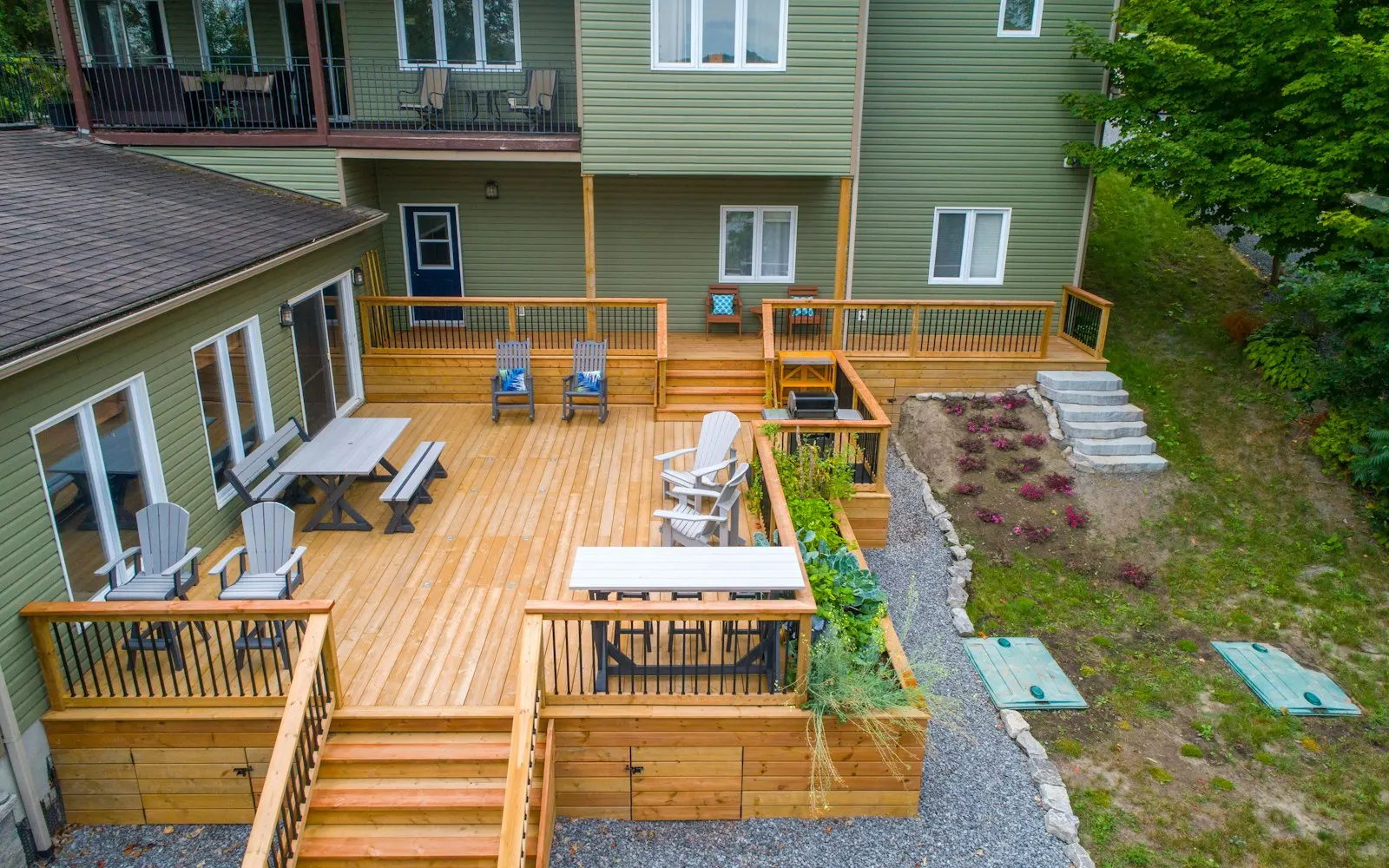
A timber deck is one of the best spots in a Melbourne home from October to April, and one of the hardest-working parts of the house all year round. It sits in full sun through summer, gets soaked through winter, and carries barbecues, outdoor furniture, pot plants and plenty of foot traffic. A pergola above it takes the wind and the weight of shade cloth, climbing plants or roofing. Over time boards cup and split, nails lift, screws rust, stair treads wobble, posts soften at the base and the timber goes grey. Deck and pergola repairs are a big part of what we do in Dandenong and the surrounding suburbs, from replacing a handful of boards to rebuilding stairs, straightening a pergola and re-oiling the whole lot.
Many homes in Endeavour Hills, Lysterfield and Dandenong North have decks built on sloping blocks, often in the 1980s and 1990s, which are now reaching the age where structural parts need attention. Newer homes in Keysborough and Dandenong South often have smaller decks and alfresco pergolas that need oiling and minor repair to stay looking good.
Deck repairs we carry out
- Replacing rotten, split, cupped or broken decking boards
- Re-fixing loose and lifting boards, and replacing popped nails with decking screws
- Repairing or replacing stair treads, stringers and handrails
- Tightening and repairing loose balustrades and balusters
- Replacing deteriorated joists and bearers where accessible and within handyman scope
- Fixing bouncy or springy sections by adding blocking between joists
- Repairing deck edges, fascia boards and step nosings
- Cleaning, sanding and oiling or staining weathered decks
- Building small steps, landings and timber platforms
- Repairing deck gates and child safety barriers
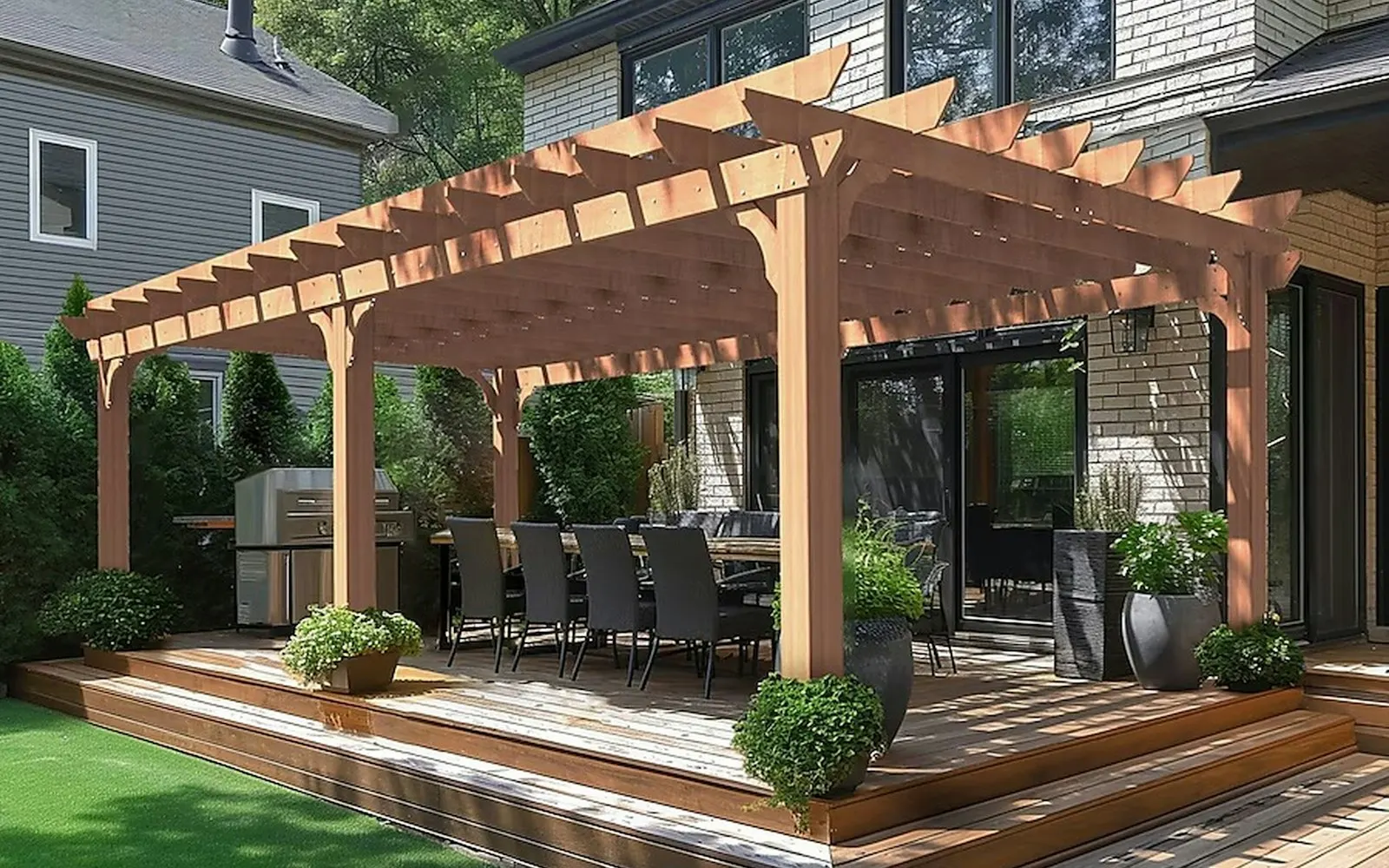
Pergola repairs we carry out
- Straightening and re-bracing leaning or racking pergolas
- Replacing rotten post bases and fitting galvanised post stirrups
- Replacing damaged rafters, beams and battens
- Re-fixing and replacing polycarbonate roofing sheets on small pergolas
- Fitting and replacing shade cloth, shade sails fixing points and wires
- Repairing or adding lattice, privacy screens and plant supports
- Oiling, staining and painting pergola timbers
How we assess a deck
Before quoting any deck repair we walk the whole deck and look underneath where we can. The surface problems you can see, like a split board or a lifting nail, are often only part of the story. We check:
The boards
Surface splits, cupping, soft spots and lifting fixings. Boards that feel soft underfoot have usually started rotting from the underside, often where they sit on a joist and water collects.
The frame
Joists and bearers carry the boards. We probe the timber for softness at joints and ends, check that joists are fixed securely to bearers, and look for sagging. If the frame has significant rot, replacing boards alone is a waste of money.
Posts and footings
Timber posts buried directly in the ground or sitting on concrete without a stirrup tend to rot at ground level. We check each post for soundness and movement. Footings that have moved or sunk on reactive clay can cause a deck to slope or sag at one corner.
Stairs and balustrades
Stairs and balustrades are a safety matter. Loose treads, rotten stringers and wobbly handrails are trip and fall risks, and we prioritise them in any quote.
After the inspection we explain what we found, what needs doing now, what can wait, and whether the deck is worth repairing or better replaced.
Repair or replace?
Repairs are good value when the frame is sound and only some boards, a stair or a section of balustrade is failing. When a large proportion of the frame has rot, footings have failed, or the deck no longer meets the height and balustrade rules for safety, rebuilding is often the better long-term choice. Decks more than about one metre above the ground, and new decks or major structural rebuilds, can require a building permit and a registered builder in Victoria. We work on repairs and small decks within handyman scope and will tell you straight away if a project needs a builder.
Choosing replacement boards
Matching existing boards
Most older local decks are treated pine or a hardwood such as merbau, spotted gum or blackbutt. We match the species and board width as closely as possible. New boards will look brighter at first, but after oiling and a season of weather they blend in.
Fixings
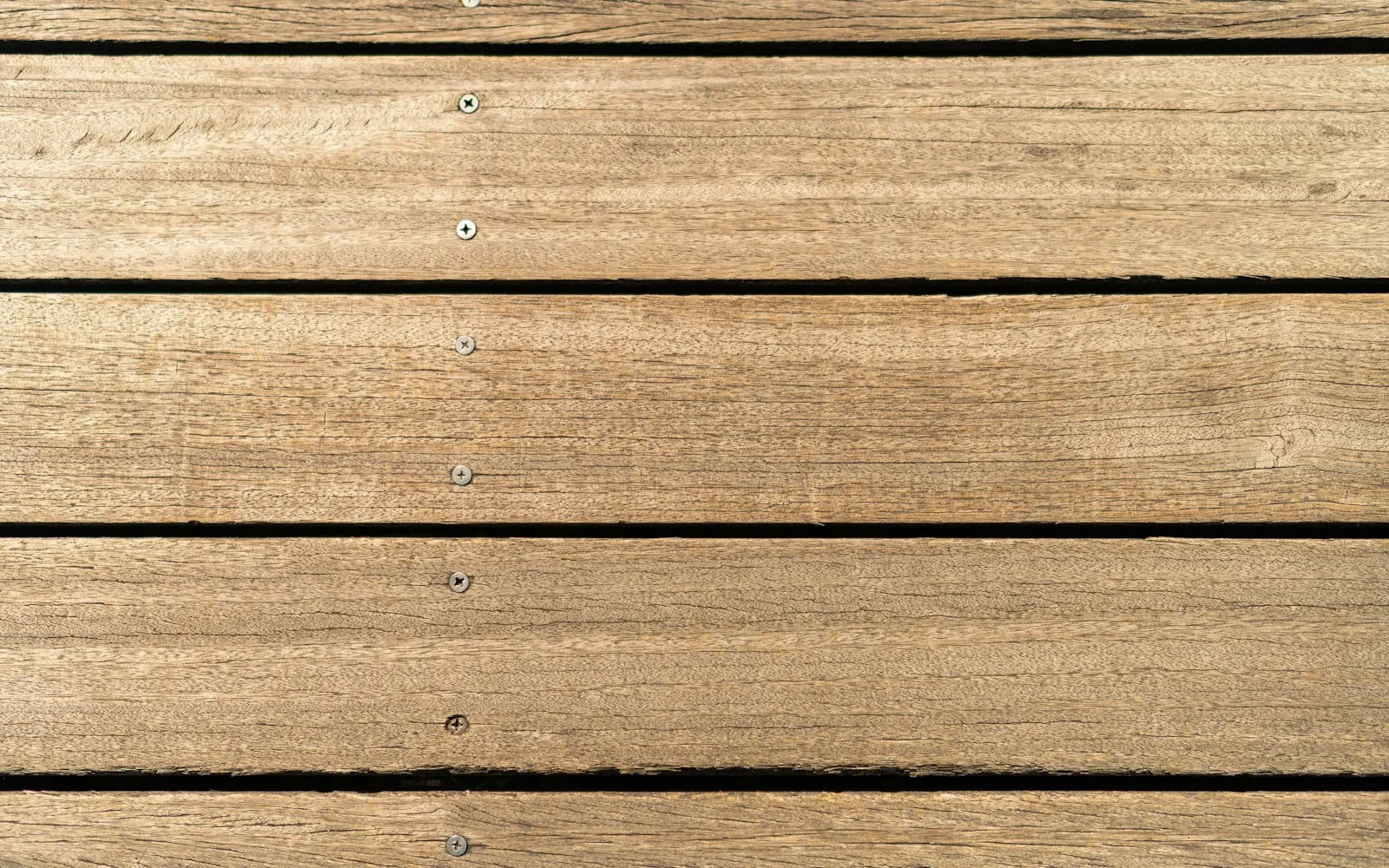
Older decks were often nailed. Nails work loose as the timber shrinks and swells, leaving them proud of the surface where they catch bare feet. We re-fix boards with stainless steel or treated decking screws, which hold far better. Near the coast or around pools, stainless is the right choice.
Spacing
Boards need small gaps between them for drainage and expansion. Boards laid too tight trap water and debris, swell, and cup. We set new boards with consistent spacing to match the rest of the deck.
Oiling and maintaining a deck
Oiling is the single best thing you can do to make a deck last. A good oil penetrates the timber, slows moisture uptake, and reduces splitting and greying from UV. Most decks in Melbourne benefit from oiling about once a year, and decks in full sun more often.
Our oiling process
- Sweep and clear the deck, removing leaves and debris from between boards
- Clean with a deck cleaner to remove dirt, mould and grey weathered fibres
- Allow the deck to dry fully, usually at least a day or two
- Sand rough or furry areas and any raised grain
- Apply oil evenly along the length of the boards, working in sections
- Wipe off any excess so it does not go sticky
Choose a dry spell for oiling: rain soon after application washes oil off, and very hot days dry it too fast. Spring and autumn are usually best.
Pergola problems we see often
Leaning pergolas
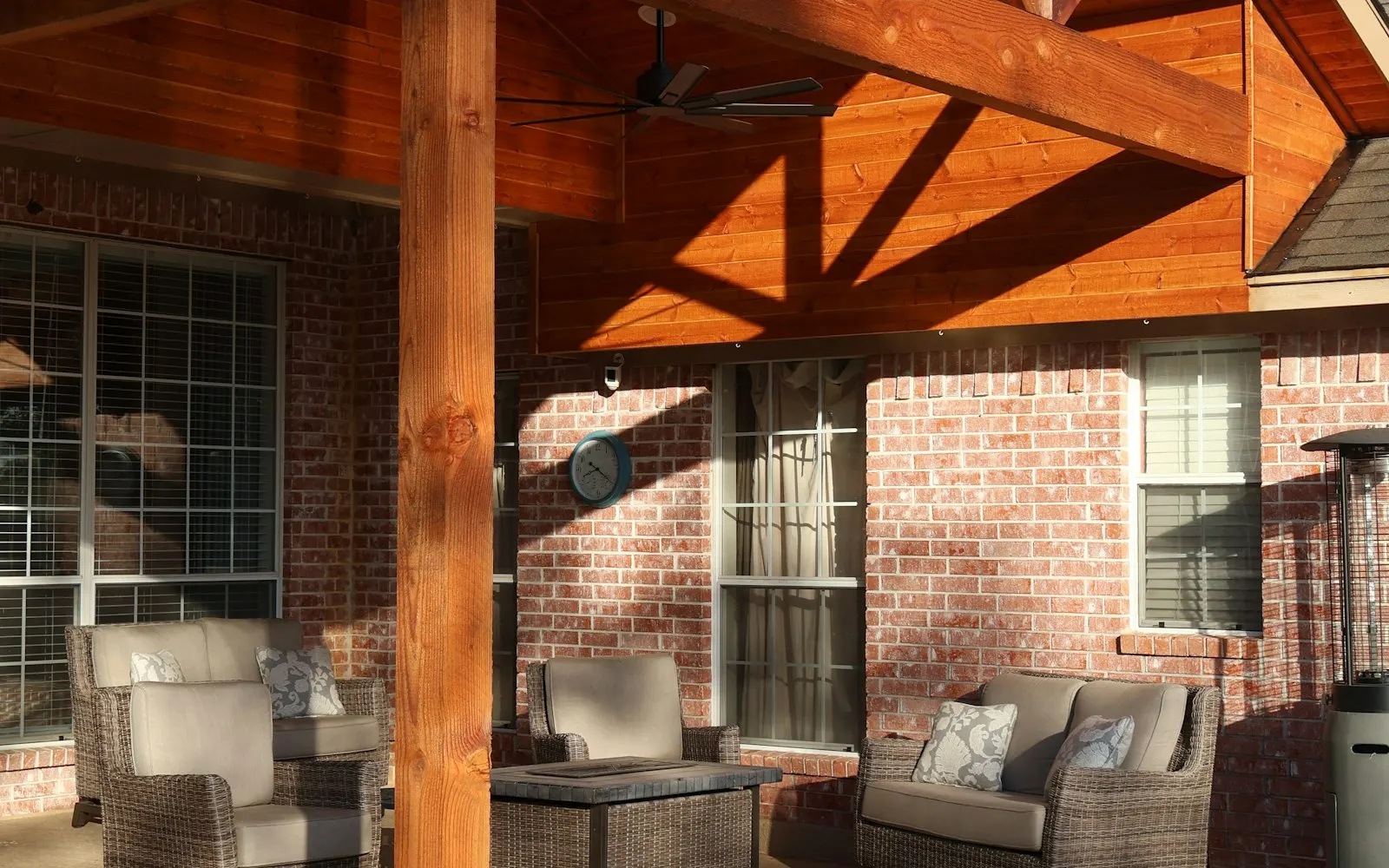
A pergola that has started to lean or rack sideways usually has loose fixings at the beam-to-post joint, rotten post bases or not enough bracing. We add knee braces or straighten and re-fix the frame, and replace failing posts.
Rotten posts
Posts set directly into concrete or soil hold moisture at ground level and rot from the inside. Replacing the bottom section with a galvanised stirrup that lifts the timber clear of the ground stops it happening again.
Roofing and shade
Polycarbonate sheets crack and discolour with age and can lift in strong winds. Shade cloth tears at fixing points. We replace sheets with correct fixings and washers, and re-fit shade cloth so it is taut and secure.
Safety around decks
Loose balustrades, missing balusters and wobbly stairs are serious hazards, particularly for children and older family members. If any part of your deck balustrade moves when you lean on it, stop using that area until it is repaired. Balusters that are too far apart can also let small children slip through. We repair balustrades and can tell you if an older balustrade falls short of current safety expectations.
Seasonal deck checklist
Spring
Spring is the time to get the deck ready for summer. Sweep out the leaves and debris that collected over winter, particularly between boards and around the edges where they hold moisture against the timber. Look for boards that went soft or split over the wet months, check every stair tread and handrail, and book oiling for a dry stretch of mild weather.
Summer
Hot sun dries timber quickly and opens surface checks (fine splits). Move pot plants occasionally so water does not sit under the saucers and stain or rot the boards beneath. Keep barbecues on a heat-resistant mat. If you see nails lifting, have them replaced with screws before someone catches a foot.
Autumn
Falling leaves are the enemy of a deck. Leaves left in piles trap moisture, stain the timber and encourage mould. Clear them regularly and check that water can drain freely away from the deck. Autumn is also a good second window for oiling.
Winter
Mould and moss build up on shaded decks through winter, making them slippery. A gentle clean with a deck cleaner, rather than a high-pressure blast, removes the slippery film without damaging the timber. Note any soft or bouncy areas to repair before spring.
Timber species and how they age
Treated pine
Common on budget and older decks. It is affordable and takes oil well but moves more than hardwood, so boards are more prone to cupping and splitting. Regular oiling makes a big difference to how long pine decking lasts.
Merbau
A dense, reddish-brown hardwood widely used in Melbourne decks. It is very durable but bleeds tannin when new, which can stain concrete and render below. Washing new merbau before oiling removes much of the tannin.
Spotted gum and blackbutt
Australian hardwoods with excellent durability and fire performance. They grey to silver if left unoiled, which some owners like, but oiling keeps the warm colour and reduces surface checking.
Composite decking
Some newer homes use composite boards made from wood fibre and plastic. They do not need oiling, but boards can still be damaged, warped by heat or lifted by failing clips. We can replace composite boards where matching stock is available.
Areas we cover
We repair decks and pergolas across our service areas, particularly in hillier suburbs like Endeavour Hills and Lysterfield, and in Keysborough and Dandenong North.
Related services
Deck work often goes with fence repairs and gates, pressure washing, carpentry and painting touch-ups.
Frequently asked questions
How often should I oil my deck?
Around once a year for most Melbourne decks, and more often for decks in full sun. If water no longer beads on the surface or the timber has turned grey, it is due.
Can you replace just a few boards?
Yes. We match the timber species and width as closely as possible. New boards look brighter at first and blend in after oiling and a season outdoors.
My deck feels bouncy. Is it safe?
Bounce can come from undersized or rotten joists, missing blocking or loose fixings. We inspect underneath and repair or reinforce the frame. Avoid putting heavy loads on a springy section until it is checked.
Do I need a permit for deck repairs?
Minor repairs like replacing boards, treads or balustrade parts usually do not. New decks, decks over about one metre high and major structural work can require a permit and a registered builder. We will tell you if your job falls into that category.
Can you fix a leaning pergola?
Usually. Most leaning pergolas need re-fixing at the joints, added bracing or new post bases. Badly rotted pergolas may need rebuilding.
What screws do you use on decks?
Stainless steel or treated decking screws. They hold far better than nails and do not rust and stain the timber.
Get a free quote
Send us your list of jobs, your suburb and a few photos. We will reply with a clear written scope and a free, no-obligation quote.
Get a free quote